- MENU
- HOME
- SEARCH
- WORLD
- MAIN
- AFRICA
- ASIA
- BALKANS
- EUROPE
- LATIN AMERICA
- MIDDLE EAST
- United Kingdom
- United States
- Argentina
- Australia
- Austria
- Benelux
- Brazil
- Canada
- China
- France
- Germany
- Greece
- Hungary
- India
- Indonesia
- Ireland
- Israel
- Italy
- Japan
- Korea
- Mexico
- New Zealand
- Pakistan
- Philippines
- Poland
- Russia
- South Africa
- Spain
- Taiwan
- Turkey
- USA
- BUSINESS
- WEALTH
- STOCKS
- TECH
- HEALTH
- LIFESTYLE
- ENTERTAINMENT
- SPORTS
- RSS
Countries
Argentina | Australia | Austria | Benelux | Brazil | Canada | China | France | Germany | Greece | Hungary | India | Indonesia | Ireland | Israel | Italy | Japan | Korea | Mexico | New Zealand | Pakistan | Philippines | Poland | Russia | South Africa | Spain | Taiwan | Turkey | United Kingdom | United States
Cities
Atlanta | Baltimore | Bay Area | Boston | Chicago | Cleveland | DC Area | Dallas | Denver | Detroit | Houston | Los Angeles | Miami | New York | Philadelphia | Phoenix | Pittsburgh | Portland | San Diego | Seattle | Silicon Valley | Saint Louis | Tampa | Twin Cities

- Trilateralism Beyond North Korea
- China-Korea Relations Dilemmas
- How China & Russia Foment Coups
- India Builds Up Its Northeast
- China's Military Modernization
- Will Thai Politics Actually Change?
- Myanmar Conflicts Even
- Justice for the Mumbai Attacks
- Formalizing the Ceasefire
- India's Choice in the Maldives
- Australia's Future in Space
- Australia & Nuclear Strategy
- The Australia--New Zealand Partnership
- Asia's Other Nuclear Standoff
- Preserving the Asian Territorial Order
- Empowering China's Miracle Workers
- China's Creditor Imperialism
- China: Xi Jinping Unbound
- Money Talks in Cloistered Internet
- Understanding the North Korea Threat
- North Korea: A Cold Northern Spring
- Trump's Visit to the Philippines
- Trump: Greatest Threat to Both Koreas
- North Korea's Cyber Warfare Cell
- Why Kim Won't Give Up His Nukes
- The Dangers of Excluding Taiwan
- Russian Influence Wanes in Asia
- India & China: Suppressed Hostility
- Vietnam & India's Vital Relationship
- China's Unnecessary Consolidation
- Why Hasn't China Intervened More?
- The Rohingya & Civilian Protection
- Indonesia Catches up in Cyberspace
- China's Big Data Big Brother
- I Gave Korea Too Much Credit
- Kim Jong-Un's Invitation
- Future of North Korean Provocations
- Kim Jong-un's Dialogue Offer
- North Korea: The Cost of War
- Is North Korea Really that Crazy?
- Australia Establish a Modern Slavery Act?
- Australia's South Pacific Agenda
- Australia to Lead on Climate Change?
- Maritime Cooperation Foundering
- The Trumping of Asia
- China's Security Strategy
- China's Communist Party By The Numbers
- The Grim Scale Of The Rohingya Crisis
- Rohingya: Ethnic Cleansing Crisis
- North Korea's Devastating Artillery
- The Bolstered U.S. - Vietnam Relationship
- Does Taiwan's Defense Budget Deter China?
- China's Youth Unemployment Crisis
- China's AI Push into Africa
- Trump Wrong About Chinese Students
- New Partners in the America First Era
- China: Has Xi overreached?
- Emperor Xi's Censors Have No Clothes
- Australia: How Oz Politics Works
- Australia & the Final Frontier
- U.S. Policy Toward China
- Thailand's Junta Faces Pressure
- Be Wary of a China Witch Hunt
- Indonesia: East Asia's Rising Star
- China's Economic Multilateral Diplomacy
- China: When the Dragon Wakes
- Modi Is Really Popular in India
- North Korea Ready to Talk
- Asia's Cities Against North Korea
- Indonesia's New Defense Chief
- The Fastest-Growing Humanitarian Crisis
- Trump's Looming Hard Line on China
- North Korea Facts and Figures
- North Korean Defections
- Aussies Urged To Eat Kangaroo Meat

- Can The U.S. Intercept A North Korean Missile?
- Ghost Collateral Haunts Loans in China
- Fighting for Tokyo's Culinary Heritage
- Afghanistan: Refugees & Repatriation
- Indian Farmers Discover Flower Power
- India: Child Brides On The Rise
- India Honors Nepali Woman
- Who Can We Trust To Measure Poverty?
- Instability, Quagmire, & Peace
- China's Vast Digital Potential
- North Korea's Nuclear Ticket
- Time to Re-Open Talks with North Korea
- China: New Steps Forward in Africa
- China's Deeper Penetration into Africa
- Pakistan's Strategic Stability
- Pakistan's Delusion
- Reworking Palm Oil Welfare
- China's Next 'Stepping Stone'
- North Korea: Nukes Over Food
- China Takes on Militants
- Peace for the Korean Peninsula
- Countries With the Most Troops
- Should South Korea Get the Bomb?
- Think North Korea Is Aggressive Now?
- Koreas: Reunification Guessing Game
- China's Security Activities
- Will Scarcity Lead to Anarchy in China?
- Managing Expectations in Myanmar
- Burma: Democracy with an Asterisk?
- The Global Militarisation Index
- Pakistan Slowly Becoming Less Bellicose
- US - China Cooperation Looking Up
- Shinzo Boosts Japan-China Relations
- Star Trek Fallacy
- China: Opportunity Costs of 9/11
- Taiwan's Students Shaking Up Politics
- China? Time to Pivot to India
- Greatest Danger to World Peace
- Flight of the Rohingya
- Time for Democracy in Singapore?
- Taiwan's Sunflower Revolution
- Naypyidaw: Burma's Potemkin Capital
- Playing with Peace in Myanmar
- Is China a Threat?
- Japan's Shinzo Abe: The Next Putin
- India: Anti-Muslim Rhetoric Flares Up
- China Pulls Pollution Documentary
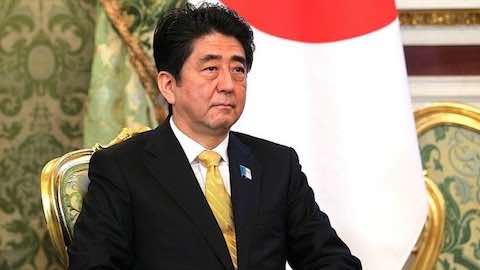
- Troop Levels on the Korean Peninsula
- Sindh Province Cracks Down
- Nepal Fails To Deliver Relief
- South Korean Perceptions of North Korea
- Australia Shark Attacks & Tourism
- Japan's Continued Whale Hunts
- Demanding Change To Australia Day
- Australian Wine Exports To China Soar
- Cambodia: UN Credibility on Trial
- Warning & Encouraging Korean Students
- Global Nuclear Winter: India & Pakistan
- A New Page for Taiwan and China
- Human Rights and the 'ASEAN Way'
- China & Japan's 'History Problem'
- Can South Korea Save the Global Economy?
- Once-Powerful Philippines Church Divided
- Duterte vs The Cold War System
- Philippines Fueling HIV Epidemic
- Next Philippine President Like Trump
- China's Military Posture
- South Korea Taking On Nuclear Threat
- China's Military Reorganization
- Japan & South Korea: New Beginning?
- Hybrid Warfare & Chinese Characteristics
- ISIL Has Nothing on India's Far Right
- Peace in the Philippines
- New Chapter in Australia-Indonesia Relations?
- India's Strategic Opportunities
- Neo-Orientalism: Indonesia's Colonialism
- China's Rise & Japan's Decline
- Islam & Human Rights in Pakistan
- Finally, Nepal Gets a Constitution
- The Tragic Death of Japan's Pacifism
- Korean Americans Reclaiming History
- Korean Reunification: The North's View
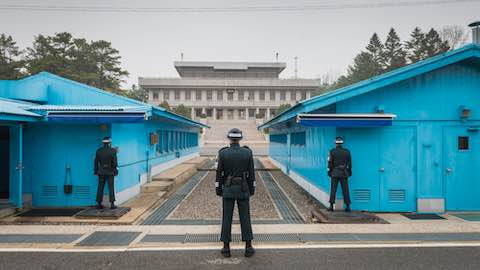
- Crossing the Korean DMZ
- The Madness of THAAD
- Why South Korea Needs THAAD
- Nepal's Political Crisis
- Women Leading Relief Effort in Nepal
- Shinzo Abe & Japan's History Challenge
- Japan: The Apology Olympics
- Reviving the North Korea-Iran Axis?
- Humanity's War on Wildlife
- Celebrating Wars & Destruction
- New Face of Chinese Repression
- China's Economic Slowdown
- Cambodia's Remarkable Journey

- Japan: Shinzo Abe Wins in Landslide
- North Korea's Nuclear Infrastructure
- Retracing Trafficking Routes
- Yoga Tycoon Rises with Modi
- Philippines Narcs Take Over Drugs War
- Philippine Troops Kill ISIL Supporters
- Fight Against Islamic Militants
- In Range of North Korean Missiles
- China's Concept of Military Strategy
- Pakistan: Foreign Aid Failure
- Trump, China & Hawkish Rhetoric
- Conflict in Kashmir: From the Ground Up
- The Future of Japan - Russia Relations
- Deteriorating Sino-Japanese Relations
- US-China Maritime Disputes
- Making China Great Again
- China Closes the Innovation Gap
- Korea's Next Generation
- Failing Afghanistan & the World
- South Asian Integration
- Ending Violence in Nagorno-Karabakh
- Ex-Rebel Parties Building Peace
- Can a Green Asia Lead the World?
- The Philippine People Are Under Attack
- South Korean Labor Strikes Back
- Can We Not End Wars Anymore?
- Pakistan & India: Is Peace Possible?
- India & China: Evolving Competition?
- Xi, Ma & China-Taiwan Relations
- North Korea's Sorry Politics
- Class Tensions in Asia Today
- China: Latest Crisis of Capitalism
- Death Knell for North Korea Regime
- Modi Turns Tables on China
- South China Sea Dispute Rumbles On
- Militarizing the South China Sea
- Okinawans Want Their Land Back
- Jamaat-ud Daawa into the Mainstream
- Constructive Engagement & Containing China
- China Offering World Bank Alternative
- Did Slaves Catch Your Seafood?
- Authoritarian Symps
- Healing or Harming?
- India: Cremation Rituals
- North Korea's Broken Promises
- North Korea In Numbers
- China: Good Life of the Newly Rich


-
Coverage, analysis, photo and video coverage of the 2014 FIFA World Cup from Brazil
-
In December 1963, the People's Liberation Army started work on a book of quotations by the Communist Party leader, Mao Zedong. It was to be used in drill sessions with recruits; short excerpts without context or analysis designed to be memorized and chanted
-
China is determined to shape the global financial system by establishing the Renminbi as its reserve currency. The problem is that Beijing's disputes are preventing it from fulfilling a necessary first step - establishing a regional sphere of monetary influence
-
In the 1920s, Japan began to translate its growing economic might into formidable military power. Substitute communist China for imperial Japan, and the same thing is now occurring in the Pacific region
-
The Three Gorges Dam on the Yangtze River is the largest feat of engineering between the Himalayas and the edge of the East Asian landmass. China's epic construction project is now the template for an even more grandiose water scheme
-
Penguin India decided to remove from circulation and destroy any remaining copies of 'The Hindus: An Alternate Anthology', by Wendy Doniger. The decision sparked widespread outrage and criticism within literary circles in India and abroad
-
Japan's Prime Minister, Shinzo Abe announced confidently: 'Japan is Back!' To some observers, this seemed like hubris given the tsunami and nuclear disaster. Yet Abe's words now seem particularly well chosen
-
You may have heard that China just became the third nation to land a spacecraft on the moon, a momentous achievement overshadowed only by the country's other recent accomplishment: Turning a lung-smothering smog problem into a smogpportunity
-
For decades the critical role played by India's 1.1 million-strong volunteer army in the First World War has been ignored. But that is changing and official remembrance activities lasting until 2019 are planned
-
Does China's ambivalence toward America's sanctions regime in North Korea imply a challenge to the broader international order? If not, then the supposed rivalry between the United States and China -- at least as far as North Korea is concerned -- may have little significance
-
Prime Minister Shinzo Abe is the persuader-in-chief of Japan, and the world should be aware of his every policy move. Abe has managed to rebrand himself into a second coming of economic might in which the hopes of all the Japanese people must be invested
-
China's strategic focus on space is less about national pride than about the importance of space for both the military and economic progress of the country. The Chinese space program has developed rapidly over the past decade, illustrating the importance
-
Most Chinese simply aren't happy with the status quo. Even rich people no longer trust the government. How long can the Communist government survive in this atmosphere of withering public discontent? Is Taiwan growing to be a powerful democratic role model?
-
Adami Wilson, a Malawi national convicted of drug smuggling, was executed by firing squad, ending a four-year pause in executions in Indonesia. Wilson's death was the result of a backlash against a softening of Indonesia's commitment to capital punishment
-
Another apparel factory has collapsed in a poor Asian country, killing three workers, and I fear I'm partly to blame. The evidence of my complicity sits idle on the landing, next to a tennis racquet -- Asics shoes
-
Another shocking sweatshop disaster, this one claiming the lives of 385 people, with many more missing and at least 1,000 injured. Eight people, including the owner of the building, which housed five separate garment operations, were arrested
-
The significance of the shift from Europe to the Pacific is overrated, since Europe is much richer and more important to the American economy than China or any other Asian nation other than Japan. The US could in fact do well with a movement toward isolationism
-
Nationalist gestures and recent rhetoric have led to suggestions that Japan may be abandoning its post-War pacifism in favor of a more assertive posture. However, this narrative forgets that the overwhelming majority of the country is opposed to such a change
-
China's working-age population reached a peak in 2010 at 70 per cent of the total population. The peak moment of enjoying the Chinese demographic dividend -- when the ratio of working-age people to dependents is highest -- has passed
-
Everybody knows that Japan is ground zero for global ageing. The youngest of the developed countries as recently as the mid-1970s, it is now the oldest -- and its age wave will continue to roll in for decades to come
-
China has become the world's workshop and Europe has an insatiable appetite for its exports. Most now arrive on giant container ships. But as ports become clogged and delivery times critical, China is once again looking to the old land routes across Asia
-
A silver and white Bullet train rolled out of Beijing on its maiden journey. It was a proud moment for China, the inauguration of the world's longest high-speed rail line, running from the north to south of China, from Beijing to Guangzhou
-
The move to ban certain ads is another in a line of efforts by Chinese authorities to root out corruption, something the Chinese Communist Party has publicly acknowledged as a life or death struggle
-
China’s relations with North Korea have deteriorated, and could further worsen should the North carry out its nuclear test. It is believed China would respond to a third nuclear test with economic, political and military measures
-
Will Chuck Hagel follow in Secretary of Defense Leon Panetta's ideological Pacific 'Pivot' footsteps when it comes to the Air-Sea, Cold War style battle in the Pacific?
-
Thousands of angry citizens have stood up to challenge their governments. But in Asia, home to some of the world's most authoritarian nations, we've seen none of that. Vietnam, however, may be setting a path for other Asian states
-
You don't have to spend much time in Vietnam before you notice something unusual. You hear no birds, see no squirrels or rats scurrying. No dogs out for a walk. In fact, you see almost no wild or domesticated animals at all. Where'd they all go?
-
Any book that purports to tell the story of the 'real North Korea' runs the risk of serious overhype. North Korea, after all, is perhaps the least understood, least accessible, and least research-friendly country in the world
-
China is earnestly striving to become a respected world power, one that finally surpasses the United States. The day could conceivably come. But its biggest problem right now is the nation's 'soft power.' China appears to have very few true friends in the world
-
Secretary of State John Kerry says the United States will defend itself and its allies amid what he calls 'provocative, dangerous and reckless' threats by North Korean leader Kim Jung Un
-
The Philippines has shrugged off decades of financial woes to earn its first investment-grade credit rating from one of the world's leading ratings agencies. Economists say it was only a matter of time before the Philippines would be given an investment-grade rating
-
The end of the decades-old civil war in Sri Lanka enabled the world to shift its focus to events in Africa and the Middle East. Not smart, argue numerous observers. Colombo now appears unwilling to integrate meaningful reconciliation and reintegration processes into its official policies
-
It is a time of tension in East Asia with growing nationalism, territorial claims between Japan and its neighbours and the persistent challenge of a nuclear North Korea
-
Foreigners living in and visiting North Korea can now access Twitter, Facebook, and other social media on their mobile phones, providing what could be an unprecedented, real-time view of the notoriously isolated country
-
A middle class has emerged, several hundred million Indians have seen lifestyles improve immeasurably and wealth is displayed more conspicuously than ever before. Western attention is often fixated on India's economic growth
-
President Obama's immigration plan calling for a huge increase in visas for foreign science and engineering graduates will pose a huge challenge for China, India and Latin America
-
North Korea has been using the threat of tests and the tests themselves as weapons against its neighbors and the United States for years. And doing it successfully. So what appears absurd on the surface quite obviously isn't. On the contrary, it has proved to be a very effective maneuver
-
South Korea confirmed it would implement expanded United Nations sanctions on North Korea, despite dire warnings from Pyongyang about the consequences
-
Defying United Nations calls to accept Myanmar's Rohingyas as Muslim minority amid sectarian bloodshed in the impoverished Southeast Asian nation, Thailand sent dozens of Rohingyas back to their homeland
-
A fire swept through a sweatshop in Bangladesh, killing at least 112 people. The sweatshop, which produced brand-name garments for major retail outlets such as Walmart and Sears, has been described as a deathtrap
-
China's troubles at home are daunting -- economic, political, social. And as the government transition approaches, all of it seems to be coming to a head
-
The slowdown of the Chinese economy is pushing the world towards a new crisis. A hard landing in China could expose a large number of countries to unforeseen consequences and dash hopes of a global recovery
-
The publication of this book in Chinese in Hong Kong was a major event with a political and historical significance that should increase with the appearance of the English-language version
-
Political meritocracy has been largely eclipsed from political theorizing, but there are important reasons for reviving and reinterpreting this political ideal, particularly in a Chinese context
-
The new North Korean leader likes Disney. But that's not necessarily a sign that he's leaning westward
-
The gestation period of 3-5 years to implement this tourism project gives China sufficient time to complete several projects linked to Tibet that improve connectivity, trade and commerce
-
Realizing the dangers of Chinese monopoly, countries have started collaborating in Rare Earth Elements, while North America countries plan to increase investments
-
In the light of the US rebalancing strategy in the Asia-Pacific, the Indian dilemma is how to boost its relationship with the US that can provide an impetus to its economy and defence capability building without antagonising China
-
Despite the unifying power of the monarchy, Thailand remains bedeviled by political tensions and ethnic unrest. These may eventually determine the country's relations with the United States and China
-
China is preparing to usher in a new generation of leaders. Just don't expect too much in the way of change
-
China's dominance of the global rare earths market continues to impact on the economic and strategic calculations of a host of Western consumers
-
The way the Chinese government is behaving right now, you'd almost think it had converted to democracy. Half a dozen times in recent weeks, government officials have backed down in the face of angry citizen protests
-
Predictions about the collapse of China's political system have been constantly repeated since the suppression of the pro-democracy uprisings in 1989. But the system didn't collapse then, and it won't collapse now
-
Control over the South China Sea is more than just a practical matter and goes to the center of China's foreign policy dilemma: how to assert its maritime claims while maintaining a non-confrontational foreign policy
-
South Korea is cutting-edge in so many ways, except its foreign policy
-
The possible repercussions on Japan's bilateral relations with China and Taiwan might still create serious hurdles in proceeding with the nationalization plan for the Senkakus
-
China's growing regional presence â€" not to mention its territorial claims â€" is prompting many Southeast Asian states to reinvigorate their ties with the United States
-
As part of its efforts to boost its presence within Southeast Asia, the United States has decided to reaffirm its military support for the Philippines. Yet this will not come at the price of heightening tensions with China
-
A steady improvement in India's economy, together with politico-economic changes in its neighborhood, are prompting a re-examination of the national interest in New Delhi
-
Want to know what it's like to be a Chinese leader today? They spend their days arrayed before a dyke, desperately sticking fingers in leaks that keep springing
-
The era of the Fourth Generation of Chinese Communist Party leadership is coming to an end
-
Asia is spending more on the military and selling more weapons to the world
-
Access for international aid workers in Myanmar shows signs of improving, but aid workers say huge challenges remain
-
With its export-dependent economy faltering, and with limited military options, China must pursue a strategy of neutralizing the United States politically
-
The number one priority in U.S. policy toward China should be working to address the trust deficit while ensuring that we remain deeply engaged with our allies
-
Why should anyone believe that catering to the interests of U.S. corporations located in or returning from China will make American workers any better off?
-
How to deal with North Korean refugees is currently one of the hottest issues in China and South Korea's bilateral relationship
-
Will Asia's growing economic power be accompanied by a similar rise in its military power? This is a key question for today's policy-makers searching for signs of a shift in the world's military balance
-
Burma has been one of the world's basket cases for half a century, ever since the military seized control in 1962 and began marching it down the Burmese Path to Socialism. But suddenly things are changing
-
China's increasing maritime assertiveness is bringing Manila and Washington closer
-
Southeast Asian militant groups will continue to be relegated to grassroots tactics
-
China has announced an ambitious five-year plan that includes the launch of space laboratories, a manned spaceship to the moon and the creation of its own global satellite navigation system that will almost certainly be used for military purposes
-
The United States' central challenge over the next several decades is to revitalize itself, while promoting a larger West and buttressing a complex balance in the East that can accommodate China's rising global status
-
More than ever, North Korea will likely turn to China as its primary provider of food, money and material resources
-
The Obama administration has a chance to use the death of Kim Jong Il to open a new chapter in its relationship with North Korea
-
Himalayan glaciers are melting faster than ever, according to recent observations by a prestigious climate watchdog body
-
High up in the Himalayas in Nepal is a glacial lake that has been growing in length by 60 metres a year, threatening to burst its banks as rising temperatures in the region cause the glacier that feeds it to melt more quickly
-
China's commerce ministry says its exports face 'severe challenges' because of economic problems in its key Western markets
-
Disgruntled former Maoist combatants are blocking roads in major cities and towns along Nepal's main east-west highway, as part of an ongoing effort to highlight their plight
-
Indonesia needs to cut fuel subsidies in order to attract foreign investment, but this could threaten social stability
-
As global politics and economic development pivot to Asia, Australia is itself becoming a pivotal country in regional and global affairs
-
When the Seychelles announced the invitation for China to set up a military presence, Indian, American and Taiwanese policy analysts wrote that this was further evidence of a 'string of pearls' strategy to encircle India with naval bases leased by China
-
Diminished nuclear power-generation capability poses serious vulnerabilities to Japan's energy security
-
The capture of Chinese construction workers by rebels in Sudan has presented China with an opportunity to flex its muscles and show it not so shy to use military force to protect its citizens abroad
-
North Korea's stability is in question as the country tries to smoothly transition from the leadership of the late Kim Jong Il to that of his youngest son and chosen successor, Kim Jong Un
-
Kim Jong-un may be modeling himself afer North Korea's founder, Kim Il-sung
-
At present, it's unclear whether or not Kim Jong-un is the military's leader of choice
-
South Korean parliamentarian Kim Geun-Tae was a soft-spoken man dedicated to reunification of the Koreas
-
The only safe prediction about Burma's future is that any prediction will probably be incorrect
-
Is detente with Burma just around the corner?
-
The United States has failed in its policies to punish, isolate, and otherwise push North Korea toward collapse. Perhaps it should try engagement instead
-
The Chinese economy continues to grow at a fast pace. But signs of distress lurk just below the surface
-
As they continue to seek a designated graveyard, minority Christians in Nepal now fear for their security after a recent bomb attack
-
Nepal has started a key move to seal the fate of 19,000 former Maoist fighters who fought a decade-long war to remove the monarchy and the century-old Hindu identity from the tiny Himalayan country
-
Thousands of ethnic Bengalis living near the Bangladesh-India border have for decades found themselves citizens of one nation but bound within the sovereign territory of another. In recent months they have escalated their campaign for a land swap that will align their citizenship with cartography
-
Some 40 years after the end of Bangladesh's war of independence, trials began of those suspected of committing war crimes during the conflict. Most of those charged are Islamist suspected of acting as henchmen of Pakistani army
-
Right now, China is obsessed with the Occupy Wall Street movement, deathly afraid that it will spread there
-
To throw off the repression of its military regime, the people of Burma need a two-pronged approach
-
All eyes are on North Korea after Kim Jong Il's death. But the real changes are taking place in the South
-
While India's ability to handle the challenges may be constrained by a slowing economy, it would need to manage them through requisite diplomatic skill and finesse
-
Australia is rapidly re-posturing in the face of a militarized East Asia
-
Workers at Japan's Fukushima Dai-ichi nuclear facility plant have discovered a leak of 45 metric tons of contaminated, radioactive water. It is not yet clear if the contaminated water reached the Pacific Ocean
-
Remember his name. Park Won Soon is perhaps the first politician to win with an Occupy Wall Street platform
-
Why is the Obama Administration creating obstacles and throwing cold water on talks with North Korea, and why is it binding itself to right-wing South Korean President Lee Myung-bak, whose politics just took a shellacking
-
In seemingly yet another attempt to emphasise the benign nature of China's rise, the Information Office of the State Council released a white paper entitled 'China's Peaceful Development'
-
Imagine that there's a country exactly like the United States. Exactly the same size. It's got the same cities. It's got the same number of rich people and poor people. It's just like us. And now add 1 billion peasants. That's China
-
An unidentified Tibetan monk set himself on fire at the Boudhanath stupa, a religious site on the outskirts of Kathmandu that is heavily populated by Tibetan immigrants
-
Energy-starved Bangladesh signed a landmark deal with Russia to finalize arrangements for installing two nuclear power plants in the north of the country
-
Bangladesh has built its first disaster-resilient settlement, designed to minimize damage during natural disasters. Known locally as a disaster-resilient habitat, the residences in the southern city of Shymnagar near the Bay of Bengal comprise 50 houses that can accommodate up to 300 people
-
While the Burmese government has re-opened a key border checkpoint between Thailand and Myanmar to accommodate thousands of migrants fleeing Thailand's flooded factories, undocumented -- and now unemployed -- migrants face extortion and abuse as they try to return home
-
Today, Indonesia is hailed as a model democracy and is a darling of the international financial community. The Jakarta Stock Exchange has been among the world's top performers in recent years, and some analysts have even called for adding Indonesia to the ranks of the BRIC countries. Yet despite all the fanfare, the Indonesian score contains some decidedly discordant notes
-
Although China has made remarkable economic progress over the past few decades, its citizens' health has not improved as much. A look at China's disease burden also reveals a worrisome picture
-
China's interference in markets to limit its currency appreciation is under increasing fire from US politicians who claim that the policy is costing American jobs. But several recent studies indicate that changing China's currency policies alone would not necessarily benefit the US economy or its workers
-
North Korea believes that by giving up its nuclear arms, Libya fatally compromised its national security
-
The generals of Burma's ruling junta have set aside their uniforms, but they still resemble a military dictatorship
-
A human rights organization asked the Bangladesh high court to probe the government's role in the beheading of eight Bangladeshi immigrants in Saudi Arabia
-
Bangladesh has been named one of the top countries in the world most vulnerable to a climate change-induced food crisis and hunger
-
Bangladesh's high-growth mobile phone sector is buying into disaster risk reduction, and the cyclone-affected costal region stands to gain most, say government officials, aid workers and private sector sources
-
Over the last few years, use of China's currency for international trade has been growing steadily. Some argue this is the start of a journey that will see the renminbi displace the dollar and become the international reserve currency within a decade. This column asks whether such prophecies are realistic by looking at how other international currencies established themselves
-
The United States, which has focused for years on North Korea's small but developing nuclear arsenal, has barely been paying attention to the larger developments in Asia
-
South Korea hopes that the new base will help strengthen its territorial rights on Dokdo as the base would enable its ships to reach the islands quickly
-
Islamists ran amok in the Bangladesh capital demanding release of Jamaat-e-Islami leaders detained to stand trial for war crimes
-
Bangladesh has accepted an offer from the United States to combat the bird flu virus by developing 'seed virus,' a key ingredient to make a vaccine in an emergency
-
A 6.9-magnitude earthquake on 18 September in northeastern India which also caused deaths in parts of Nepal and China, serves as a stark warning to the earthquake-prone region, experts say
-
China has been taking the code of Western corporations -- 'ye who enter the marketplace, abandon all ethics' -- to the next level
-
Suicide rates in South Korea more than doubled in a decade, according to figures from the government
- The Hype and the Reality of China's Economic Rise
- China's New Aircraft Carrier Bolsters Its Regional Reach
- China and the United States' Debt
- Stiglitz Upbeat About China and Latin America
- Is Japan Now a Good Bet?
- North Korea's Rare Pledge to Abandon Nuclear Activities
- Kim Jong-Il Pushes China for New Nuclear Talks
- Seoul Blasts Pyongyang For Fabricating Shelling Incident
- North Korea Planned Assassination of South Korean Defense Minister
- Indonesia's Global Significance
- China Eclipsing United States in Global Reach
- Japan's Decline as a Robotics Superpower
- Will Fukushima Survivors Be Doubly Victimized?
- Bombs Before Bread in North Korea
- South Korea's School Tablets -- a Test for All
- Politics Behind Thai - Cambodian Conflict
- China: New Incentives?
- China No. 1 in Five Years? Not so Soon
- China and the End of the Deng Dynasty
- Japan: Heavy History
- China: Weak Impetus for Change
- United States - Pacific Relations: Pacific-Minded
- China's Economy the Key to Quelling Social Unrest
- 5 Reasons Investors Should Not Bail on Japan
- Japan's Crisis for Nuclear Power
- Chernobyl's Lessons for Japan
- Cambodia: A Temple and a Tempest
- The Advantages of an Assertive China
- Will China's Rise Lead to War?
-
Stratfor analysts Karen Hooper and Rodger Baker discuss how China views Latin America as a strategic investment opportunity
-
Opinions are divided about what exactly the Aam Aadmi Party represents, but one thing on which everyone agrees is that it's a game-changer in Indian politics. Arvind Kejriwal leads the crusade against a political class that has grown increasingly distant and corrupt
-
Even if some elements of the Pakistani State wanted to block an investigation into Benazir Bhutto's murder why didn't the new President show greater determination -- or indeed any determination -- to find out who killed his wife?
-
Policy analysts, pundits, and politicians have long predicted that the North Korea will go the way of East Germany. The Kim dynasty in North Korea has been expected to collapse at any minute. This minute, of course, has lasted for more than two decades
-
As public support for sweeping security surveillance of Americans' phone traffic to frustrate terrorism at home appears to be coming unglued, so has their patience with the longest war in U.S history, in far-off and incomprehensible Afghanistan
-
Although the danger of an arms race is serious, humanity faces another, potentially more devastating peril. I refer to the spread of deserts and semi-desert regions in North Korea as a result of the reckless logging of forests, the misuse of soil, and irresponsible farming practices
-
By targeting public officials who scrutinize the country's notorious internal intelligence service, South Korean President Park Geun-Hye is rolling back hard-won democratic gains in South Korea
-
The cycle of saber-rattling and counter saber-rattling resolves nothing and worsens the situation. Continued rounds of aggressive posturing increase the likelihood of a dangerous miscalculation that could trigger outright conflict on the Korean Peninsula
-
Some experts believe North Korea's posturing is still another ploy to obtain foreign aid, and that is certainly one of the goals. But at the same time, this provocative series of events is drawing more international attention than previous inflammatory moments
-
China's alliance with North Korea seems like a Cold War relic with little reason for persisting. However, Beijing's continued support for Pyongyang is not rooted in shared ideology or past cooperation nearly as much as in China's own security calculations
-
In 2012, China became the world's champion saver with a gross national savings amounting to 53 per cent of GDP. More than half of the nation's savings are accumulated by the corporate sector and government but that still leaves a very high rate of household savings
-
The Asian 'little Tigers' -- Singapore, Hong Kong, South Korea, Taiwan and Macau -- have small families. In one ranking of total fertility rates, these places are at the bottom, with rates of 1.25 or below. The consequences of this are stark
-
The news from North Korea has of late been of the frightening variety. What the North Korean leadership is hoping to achieve by its belligerence is anyone's guess, but the aggressive American response has only escalated tension
-
North Korea's primary goal is regime preservation. Demonstrating ferocity makes other countries cautious. Weakness prevents other countries from taking drastic action. The pretense of insanity makes North Korea appear completely unpredictable
-
It seems North Korea has finally gone too far -- even for China, its patron state and only true friend. For the first time, Chinese leaders seem to be taking modest steps intended to punish their southern neighbor for threatening to conduct a third nuclear-weapons test
-
As China's Communist Party leaders step up their efforts to fight corruption, a rapidly developing district in Guangzhou is one of the areas that has been chosen to lead the way. Soon, officials will be required to disclose a wide range of financial details
-
Scientists in Indonesia are experimenting with cloud seeding, or firing salt-based chemicals into clouds to force out rain, to try and prevent flooding in the capital Jakarta, home to increasingly destructive rains
-
With its soft-power overtures, China has tried to expand its influence without disquieting its neighbors and trade partners. But through its hard-power posturing, China has achieved the exact opposite
-
Buddhists, like everyone, must eat. And in this part of the world, that's a constant challenge for most people. So the fat Buddha is smiling because he has reached the state where he no longer has to worry about getting enough to eat
-
Pakistan is an utterly failed state that is tumbling down the abyss. Where else could a fundamentalist cleric who lives in Canada draw tens of thousands to a rally calling for dissolution of the government?
-
It's time to start withdrawing American troops from the Korean peninsula and kickstart diplomatic progress in Northeast Asia -- and save the United States billions of dollars a year to boot
-
Stronger civil registration systems are needed in Asia, home to 60 percent of the world's population, to ensure the legal and human rights of all, and facilitate health planning
-
Several Chinese economists were optimistic about China's economy in 2013. They forecast a growth rate of 8 to 8.5 percent, somewhat better than last year's rate
-
Aircraft carriers can do some unique things, and the Chinese navy will gain these capabilities with the addition of the Liaoning. China's naval skeptics are right to point out, however, that aircraft carriers have many inherent vulnerabilities
-
It has been 50 years since JFK ordered U.S. 'advisers' to South Vietnam to help battle the communist North and 37 years since the end of that divisive war. Today, Vietnam is fighting a war with itself
-
Most of us can read about sex trafficking with a sense of detachment. It is only when we see its results up close that we are forced to confront the full extent of its horror
-
North Korea will not consider relinquishing its nuclear program without fundamental changes to the security dynamic in the region
-
Next year is the 60th anniversary of the armistice that ended the hot war but left the Korean peninsula technically and legally still at war. A former missionary reflects on the possibility for peace on the Korean peninsula
-
The U.N.'s top human rights official is calling for an international inquiry into what she calls the 'deplorable human rights situation' in North Korea
-
The conflict in the South China Sea may be long running, but there are several reasons why it has become much more dangerous. There can be little doubt that President Obama in his second term will find the South China Sea one of the hottest issues in East Asia
-
The Bangladeshis' plight has caught the world's attention for a brief moment due to the recent factory fire, where 112 garment workers died producing clothes for Western retailers such as Walmart, Sears and Disney
-
Historical memory and the possible 'Finlandization' of the peninsula may enhance prospects for Korean reunification
-
Japan summoned the Chinese ambassador in a fresh dispute over East China Sea's remote chain of islands, which believed to have vast reserves of oil and gas resources
-
China is likely to increasingly display unilateral tendencies. This is commensurate not only with China's growing power but also with the relative decline of the United States
-
While China's desire for economic prosperity in Xinjiang may be achievable, it has not seemingly found any solution to the sense of alienation felt by the local Uighurs
-
Japan's amendment of its atomic energy law with the inclusion of a 'national security' clause is being viewed within the country as a ploy to pave the way for the acquisition of nuclear weapons
-
Since its 2006 coup, Fiji has demonstrated that Australian power and influence in the South Pacific can be challenged by its smaller neighbors. But will Fiji overplay its hand?
-
North Koreans now know more about the outside world than ever before. So, why haven't they changed their regime?
-
With better connectivity and implementation of various development projects, the Asian Highway would enable the North-East region to become a business hub of South Asia
-
Genuine negotiation efforts, timely discussions, and broader participation of groups asserting rights based on identity are necessary to help break the impasse in Nepali politics on the issue of federalism
-
Recent reports suggest the Pakistan Navy may be on the cusp of developing a naval nuclear missile capability, even as its plans for acquiring a nuclear submarine capability gradually become clearer
-
North Korea's recent failed launch of a rocket catapulted the isolated country back onto the global agenda. While questions remain over the exact timing and motivation for the launch, it is likely to test the patience of China
-
Are China, Japan and South Korea 'locked in' to a traditional balance of power dynamic, or does another future path exist?
-
Attempts at fostering greater regional cooperation across Northeast Asia are likely to remain compromised by entrenched political elites and nationalist sentiment for the foreseeable future. This suggests that the 'idea' of regional cooperation is more viable than the development of working institutions
-
A clean China is a long way off, but the government has recognised that pollution imposes real and growing costs on the economy
-
China forcibly practices population containment nationwide. The exception is China's wealthy, who can have as many children as they like, if they are willing to pay a fine
-
The Trans-Pacific Partnership could add billions of dollars to the U.S. economy and solidify Washington's commitment to the Pacific. But if the Obama administration fails to calm critics of the deal, there is a growing possibility that it could collapse
-
The highly publicized dispute between China and the Philippines over the Scarborough Shoal has become yet another reminder of the ongoing tensions in the South China Sea
-
Normally, we would not expect Australia -- a relatively well-off and isolated country -- to have been involved in many wars. This has not been the case for Australia and, more interesting, it has persistently not been the case
-
You might think South Korea is keeping carefully preserved attack sites to help convince visiting world leaders of North Korea's perfidy. But no, the primary audience is actually South Koreans
-
China is facing a product-quality scandal once again, another in a seemingly endless string
-
If you want to copy China because its authoritarian capitalism is better than our democratic capitalism, it seems pretty obvious that what you envy is the authoritarianism
-
What is at stake between China and the United States? We are on the opposite sides of the world with next to nothing to fight about. Industrial domination of the world? What does that actually mean, and what is it worth? Bragging rights about who is top nation? That's what Washington seems to care about
-
China is emerging as the leading economic force in Burma, and the Burmese are starting to get uncomfortable
-
Is the notoriously powerful military junta of Burma really loosening its grip?
-
One year after Myanmar held its first election in 20 years, domestic and international opinion is still cautious about the prospects for meaningful change in this nation of more than 55 million people
-
India seemed on the brink of becoming the world's next great power. Today, its future appears less certain. Although some have blamed the global economic recession, the real problem is domestic -- namely, the centralized, secretive, and arbitrary political culture that pervades New Delhi
-
While India is increasingly considered an emerging global power, it remains a country bedeviled by internal problems. These will inevitably impact upon New Delhi's ability to project power across a multipolar international system
-
India has been reluctant to devise a strategy based on hard power. This helps to explain India's growing consciousness of its soft power - the aspects of Indian society, culture and political values that the world finds attractive
-
The United States does little to help its own companies win business abroad, and that timidity has allowed China to devour market share in emerging economies
-
The U.S. Army denies a story about the use of Special Forces in North Korea. But a great deal lies behind this slip of the lip
-
China is making the ridiculous assertion that it controls virtually all of the seas from Korea all the way down to Malaysia and Brunei
-
In recent years, a new threat has emerged: the mafia state. Across the globe, criminals have penetrated governments to an unprecedented degree
-
Noncommunicable diseases in developing countries are occurring more rapidly, arising in younger people, and leading to far worse health outcomes than ever seen in developed countries
-
The market economy model invented and practiced by the West is no longer working. China is the dominant country in the eastern camp in such discussions. So what has caused such anxiety in the West?
-
This is an opportunity to review Washington's strategy is in Korea and how the countries around North Korea (China, Russia, South Korea and Japan) view the region
-
Myanmar's ongoing liberalization and its normalization of relations with the outside world have the possibility of profoundly affecting geopolitics in Asia -- and all for the better
-
Despite the recent change in North Korea's leadership, it is important that talks resume between North Korea and Japan
-
Wages in Asian countries are rising faster than expected, leading multinational firms to move their manufacturing plants to Mexico and other countries closer to the U.S. market
-
After three years of frozen relations between North Korea and the United States, the two longstanding adversaries are on the verge of a thaw
-
India and Japan have had their historical ups and downs. Now, wariness of China and common interests in the Asia-Pacific region are bringing Japan and India together
-
Asia is currently in the middle of an unprecedented arms race that is sharpening tensions in the region and competing with efforts to address poverty and growing inequality
-
Because of outsourcing, inequality is ballooning in China
-
Taiwan, according to Shelley Rigger, is a small and beautiful island, but also a global powerhouse
-
Events suggest that the long-overdue crisis of China's Communist Party has arrived. China's crisis, as I have argued in the past, is that of political legitimacy
-
The United States does not intend to desert Asia at a time when China's power is growing
-
The eyes of the world were turned to the fishing village of Wukan in Guangdong province. Angered by illegal land grabs, the villagers drove out local officials and Communist Party chiefs and faced down a police siege
-
North Korea's launch buys more time to continue nuclear, missile work
-
Its latest effort broke up within two minutes of launch. North Korea acknowledged the failure and went on with its celebrations of the 100th anniversary of the birth of the country's founder, Kim Il Sung
-
The Kachin could shape Myanmar's ability to secure international investment and its relationship with China
-
Japan is widely regarded as well-prepared for disasters, being used to frequent tsunamis, cyclones, earthquakes and volcanic activity, but a year after the calamitous events of 11 March 2011, the lessons from the multi-disaster still resonate
-
As water balloons drenched the unsuspecting, the celebration of Fagu Purnima or Holi -- the festival of colors -- was in full swing in Nepal
-
For all the veneer of the 21st century, the world still looks a lot like it did during the last hundred years and well before that
-
Asia has one of the largest concentrations globally of aging persons, creating a host of potential challenges
-
Supporters claim that the President has established a foreign policy vision for the next century. Sceptics point out that there is more political spin than substance to the Obama Asia pivot
-
The presence of American military bases in Japan has been a strong cause of unrest and outspoken frustation
-
Indonesia's attempt to wean its population off rice has been hampered by a lack of viable alternative staples and cultural attachment to the grain
-
Philippine authorities are scrambling to map out previously unknown fault lines across the archipelago after a powerful 6.9 magnitude quake flattened villages, twisted roads and killed dozens
-
Don't give up on Kim Jong-un, the cherubic naif who is North Korea's new supreme leader
-
Human rights groups have urged Indonesian authorities to drop treason charges against five activists in the easternmost province of Papua
-
We witnessed India's firm responses to bilateral issues and China's appreciation of the Indian position, thus providing a positive momentum to India-China relations
-
As residents across flood-ravaged Southeast Asia look up to the skies and brace for more rain, satellites 35,800 kilometers away are looking down on them
-
Despite the predictions of many obituary writers, North Korea is still around. It was supposed to collapse with the Eastern European communist regimes, but it didn't. It was supposed to crumble during the great famine of the mid-1990s, but it didn't. Hard-line policies of the Bush administration were supposed to do the trick, but they didn't
-
The PAP needs to make itself more responsive to the common Singaporean's demands in order to remain the single-most powerful representative of the people of Singapore.
-
The composition of the Indian delegation to the ongoing Strategic Economic Dialogue is suggestive that issues such as telecom, water, infrastructural development and railways are being discussed on a priority basis
-
Rescuers are struggling to reach communities in northern provinces of the main Philippine island of Luzon, which were hit by two powerful typhoons
-
The earthquake and tsunami that struck northeastern Japan on March 11, 2011, caused almost unimaginable damage and misery. But some see a silver lining to these dark tragedies. After 20 years of economic stagnation, the crisis could bring the Japanese together, catalyze much-needed reforms, and reverse decades of malaise
-
The Korean Peninsula remains volatile. The proliferation of weapons of mass destruction by North Korea highlights the endemic security dilemmas that plague this part of Asia.
-
The Ozawa Ichiro 'phenomenon' has returned to haunt Japanese politics. Although Prime Minister Noda Yoshihiko carefully chose his Cabinet team by picking two members of the group led by former DPJ chief Ozawa with the apparent intention of fostering reconciliation between rival groups, harmony is yet to be restored
-
Chinese Premier Wen Jiabao and his Indian counterpart Manmohan Singh agreed to establish a regular bilateral strategic economic dialogue mechanism during Wen's visit to India last December, and the first one-day meeting of the China-India Strategic Economic Dialogue was held in Beijing on 26 September
-
The South China Sea issue and China's position on it have become subjects of much deliberation, especially since the ASEAN Regional Forum Meeting at Hanoi last July. It is generally believed that the South China Sea will emerge as the hot-spot of conflict in the coming years. Here's why
-
'Birds of a feather flock together,' the old saying goes. So, too, do investors. Increasingly, talk is of a 'double-dip recession', 'Euro zone collapse' and the United States and Europe 'turning into Japan' -- that is, experiencing years of economic stagnation
-
Residents of areas near the damaged Fukushima Daiichi nuclear power plant who have been forced to flee their homes are criticizing the 200-page document sent by the Tokyo Electric Power Company (TEPCO) for them to be eligible for compensation
-
Hackers have attacked the websites of Japanese government offices and Mitsubishi Heavy Industries, where nuclear data was feared stolen
-
The appearance of the new Japanese leader already attracted the attention of neighboring countries. China has viewed the appointment of Japan's new premier with more anxiety than enthusiasm, given Yoshihiko Noda's conservative views
-
Two Filipinos are in critical condition following an apparent lovers' shooting incident. It was the second such incident to hit the largest mall operator in the Philippines within one week
-
Philippine President Benigno Aquino III left for the U.S. to join the launching of the Open Government Partnership (OGP) in New York City. The OGP is a global effort to make governments efficient and responsive to citizens by fighting corruption and promoting transparency
-
Former Armed Forces of the Philippines comptroller Gen. Carlos Garcia made Philippines history twice recently. He is the first two-star general to be sent to the national penitentiary. However, he is serving merely two years although he stole $7 million (PHP 303 million) from military coffers
-
Australia's resumed push to swap asylum-seekers arriving by boat with refugees from Malaysia is the government's most recent policy response to an issue that has preoccupied officials and the public for years
-
Concerns about the changing balance of power in the Asia-Pacific are fuelling a debate in Australia about the potential acquisition of 100 F-35s.
-
China's development of a space station is not only for the purpose of scientific experimentation but also to showcase its technological and economic strength
-
After a decade of record Latin American exports to China, which helped the region grow significantly despite the recent global recession, there are signs that the honeymoon may be coming to an end
-
The financial breakdown gripping most global economies today might have little effect or perhaps none at all to China's wealthiest
-
Recent months have witnessed renewed tensions over disputed territories in the South China Sea. In response to China's encroaching military maneuvers and the country's designation of the whole area as part of its indisputable sovereignty, several South East Asian countries have found themselves dangerously vulnerable
-
The people accept the autocratic Communist Party of China (CPC) regime with its corruption and minimal public participation, and the CPC regime delivers a continuous and rapid improvement in the economic standard of living. But that social contract is now at risk, as China is on an unsustainable path that will result in economic stagnation or decline in the coming decades
-
North Korea has accused the South Korean government of plotting to destroy its socialist system
-
British scholars Rosemary Foot and Andrew Walter put U.S. - Chinese relations into a global context. Rejecting the realist assumption that norms do not matter, Foot and Walter try to identify the factors that shape Chinese and U.S. behavioral consistency (or lack thereof) with global norms
- Far East and Middle East: A Study in Contrasts?
- Shaky Restart to Inter-Korean Talks
- Korea: A Glimmer of Hope
- North Korea: The World's Problem Child
- The Game Changer: Coping With China's Foreign Policy Revolution
- Taiwan's Shadow
- Nuclear Club Has Yet Another Applicant
- Do not Expect China to Budge on the Yuan
- South Korea: Prosperity and Anxiety
- China Wealthy? That's Rich!
- Interdependency Theory: China, India and the West
- Handling Tensions on the Korean Peninsula
- Will China Rule the World?
- 'Pariah of the Pacific' Has Ham-handed Grip on Fiji
- Political Tremors in Tokyo
- Korean Tensions: Waiting for China
- The Geography of Chinese Power
- The Rise of Asia's Universities
- Remember the Pacific War
- Tokyo's Trials: Can the DPJ Change Japan
- Changing North Korea
- Asia Treading Near Overconfidence
- Asia Economy: Tamed Asian Tigers, Distressed Chinese Dragon
- Addressing China's Fear Of North Korean Collapse
- Indian Ocean: Center Stage for 21st Century Struggles Between India & China
- Tiananmen's Enduring Challenge
- Today, North Korea; Tomorrow, Iran - Nuclear Weapons
- Time to Test North Korea - Nuclear Weapons
- North Korea's Nuclear Weapon Challenge
World News
- Africa
- Asia Pacific
- Balkans
- Caucasas
- Central Asia
- Eastern Europe
- Europe
- Indian Subcontinent
- Latin America
- Middle East
- North Africa
- Scandinavia
- Southeast Asia
- United Kingdom
- United States
- Argentina
- Australia
- Austria
- Benelux
- Brazil
- Canada
- China
- France
- Germany
- Greece
- Hungary
- India
- Indonesia
- Ireland
- Israel
- Italy
- Japan
- Korea
- Mexico
- New Zealand
- Pakistan
- Philippines
- Poland
- Russia
- South Africa
- Spain
- Taiwan
- Turkey