- MENU
- HOME
- SEARCH
- WORLD
- MAIN
- AFRICA
- ASIA
- BALKANS
- EUROPE
- LATIN AMERICA
- MIDDLE EAST
- United Kingdom
- United States
- Argentina
- Australia
- Austria
- Benelux
- Brazil
- Canada
- China
- France
- Germany
- Greece
- Hungary
- India
- Indonesia
- Ireland
- Israel
- Italy
- Japan
- Korea
- Mexico
- New Zealand
- Pakistan
- Philippines
- Poland
- Russia
- South Africa
- Spain
- Taiwan
- Turkey
- USA
- BUSINESS
- WEALTH
- STOCKS
- TECH
- HEALTH
- LIFESTYLE
- ENTERTAINMENT
- SPORTS
- RSS
- iHaveNet.com: Recipes
by Tina Caputo (Zester Daily)
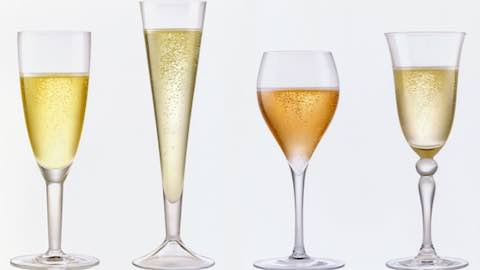
Too often, Champagne is trotted out as a prop only at the stroke of midnight on New Year's Eve, like a cheap party horn. Underneath the bubbles, Champagne is a wine, with the same diversity and complexity as wines from other great regions. Look beyond the standard non-vintage Bruts made by the big producers and you'll find fascinating wines to pair with every course.
Champagne is more than just a celebratory drink - it's a world of complex flavors, rich traditions, and unique styles waiting to be explored. From the crisp, citrusy notes of Blanc de Blancs to the bold, berry-infused richness of Rosé Champagne, every bottle tells a different story.
Whether you're looking for a refreshing Brut for a seafood pairing, a slightly sweet Demi-Sec for dessert, or a vintage Champagne for a special occasion, this guide will help you navigate the multiple personalities of this iconic sparkling wine.
Underneath all those bubbles, Champagne is a wine, with the same diversity and complexity as wines from other great regions. Look beyond the standard non-vintage Bruts made by the big producers and you'll find fascinating wines to pair with every course.
According to David White, author of the book "But First, Champagne: A Modern Guide to the World's Favorite Wine," restaurant wine buyers and sommeliers are increasingly embracing Champagne as a dinner-table wine. "They're helping consumers recognize that Champagne is exceptionally food friendly," he said.
To promote the release of his book, White has toured the country hosting multicourse Champagne dinners. "We've had everything from raw fish and nutty cheeses to pizza and fried chicken," he said. "At every meal, the Champagnes have worked perfectly. The wine's vibrant acidity and freshness help it cut through spicy meals, complement savory food and elevate even the simplest of dishes."
Gianpaolo Paterlini, wine director at 1760, a San Francisco restaurant that offers more than 70 Champagnes by the bottle, found culinary inspiration in "grower Champagnes," distinctive, small-production sparklers produced by grape growers.
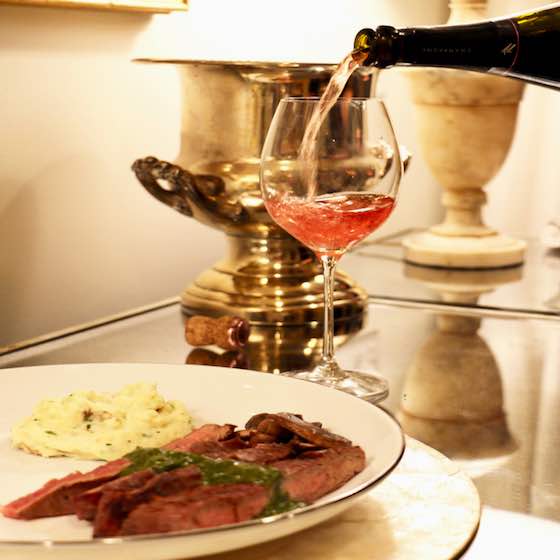
Champagne can be an intriguing match for a wide variety of dishes, including grilled steak.
"I was skeptical of Champagne earlier in my career, because all I'd been exposed to were the bigger houses whose blends are really impressive, but taste the same every year," he said. "Then I started dabbling in the smaller houses and found that there's all this diversity -- not just in style, but also in terroir."
It's that diversity that makes Champagne a worthy dinner companion, not only with chicken and seafood dishes, but with pork and beef. For the bavette steak on 1760's menu, Paterlini recommends an older, Pinot Noir-based Champagne, such as a vintage Blanc de Noirs. "You'd want something with a little bit of age and lees (spent yeast) contact, something that's got a little texture and more of that nutty, rich character," he said.
With the restaurant's grilled pork ribs, brushed with a chili-hoisin barbecue sauce, he likes a fuller-bodied rosé, such as a Rosé de Saignee. "Rosé is my go-to Champagne for spicy food," he said. "I'd recommend something richer, because that can definitely stand up to the meat and there's enough fruit to balance the spiciness of the dish."
According to Alice Paillard, whose father founded Champagne Bruno Paillard, the best Champagne and food pairings involve contrasts and attention to detail.
Because her family's Champagnes are extra dry, with vibrant acidity, there is often a temptation to match them with similar foods. This, she says, can be a mistake. "There is a tendency to pair the wines with citrus, but that is a bit of a trap," Paillard said. "What the wine evokes doesn't necessarily need to be repeated on the plate. Pairing is not duplicating."
Instead, she likes to present contrasts, such as serving a rounder-style Champagne with a citrusy dish. "It's like with a couple, you're not trying to be the exact same person, you're trying to be good company for each other."
Texture is also a key consideration.
Champagne can be paired with every course of a meal, from the appetizer to the after-dinner cheese course.
"Last night I had a seared foie gras that was very warm and melty on the inside," Paillard said. "We had that with the 2006 Blanc de Blancs -- a mature vintage and a very generous wine -- and it was absolutely wonderful. The richness and creaminess of the wine was enhanced by the velvety texture of the foie gras."
Even more important than texture, she said, are purity and complexity. "Purity comes from the choice of the terroir, it comes from using only the first pressing of the grapes, from having low dosage (and thus, less sugar) in the wine. If you have a wine that is wearing too much makeup it's going to impact the food."
Although freshness is often desirable, it's not enough on its own. "If the wine is not structured enough, if it's just nice and fresh, then it will be pointless," she said. "It will not help you move through your dining experience, reshaping your palate. A pairing is exciting when you discover new things about the wine. The wine is playing its role."
While Paillard contends that Champagne is "one of the most versatile, if not the most versatile" wines, she admits that pairing dry styles with sweet desserts is probably best avoided.
"When you eat something sweet and then come back to the wine, you have this sensation that all the fruit in the wine is gone," she said. "A wonderful cheese is really the best option."
The Many Faces of Champagne
Not all Champagne is created equal! From the elegance of Blanc de Blancs to the bold richness of Rosé, Champagne comes in a variety of styles, each with its own unique character.
Popular Styles of Champagne
Brut Champagne: Dry and crisp, perfect for pairing with seafood and light appetizers.
Blanc de Blancs: Made from 100% Chardonnay, offering fresh citrus and floral notes.
Demi-Sec & Extra Dry: Slightly sweeter, great for pairing with desserts or spicy foods.
Rosé Champagne: Rich and fruity with red berry notes, ideal for pairing with charcuterie.
Vintage vs. Non-Vintage: Learn the difference and when to choose each.
How to Pair Champagne Like a Pro
Champagne isn't just for toasts—it's a versatile food-pairing wine. Here are a few expert tips:
Oysters & Brut Champagne: A perfect match of salinity and crisp acidity.
Fried Chicken & Blanc de Blancs: The bright acidity cuts through the richness.
Dark Chocolate & Demi-Sec Champagne: The slight sweetness complements the bitterness.
Cheese & Rosé Champagne: Creamy cheeses pair beautifully with its fruity complexity.
Final Thoughts
Whether you're celebrating a special occasion or simply enjoying a glass with dinner, Champagne offers an incredible range of flavors and styles. Uncork the magic and explore the multiple personalities of this timeless sparkling wine!
© Zester Daily and Reuters Media Express
Subscribe to Receive our Gourmet Recipes
FOOD, DRINK & RECIPES [...]
APPETIZERS | SOUPS | PASTA | SALADS | MAIN COURSES | SEAFOOD | CHICKEN | PORK | LAMB | BEEF / VEAL | VEGETARIAN | SIDE DISHES | DESSERT | HEALTHY | WOLFGANG PUCK
Champagne: Multiple Personalities | Exploring the Styles of Sparkling Wine
Discover the multiple personalities of Champagne, from crisp Blanc de Blancs to bold Rosé. Learn about different Champagne styles and how to pair them for any occasion.