- MENU
- HOME
- SEARCH
- WORLD
- MAIN
- AFRICA
- ASIA
- BALKANS
- EUROPE
- LATIN AMERICA
- MIDDLE EAST
- United Kingdom
- United States
- Argentina
- Australia
- Austria
- Benelux
- Brazil
- Canada
- China
- France
- Germany
- Greece
- Hungary
- India
- Indonesia
- Ireland
- Israel
- Italy
- Japan
- Korea
- Mexico
- New Zealand
- Pakistan
- Philippines
- Poland
- Russia
- South Africa
- Spain
- Taiwan
- Turkey
- USA
- BUSINESS
- WEALTH
- STOCKS
- TECH
- HEALTH
- LIFESTYLE
- ENTERTAINMENT
- SPORTS
- RSS
- iHaveNet.com: Pets
by Elizabeth Wasserman
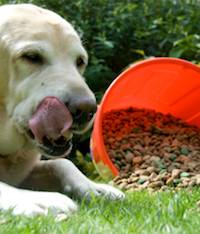
For dog owners like Carol Davis of Fairfax, Va., the sight of a synthetic or chemical ingredient listed on a pet food label leads to the following conclusion:
I wouldn't feed that to my dog.
"I usually avoid it," says Davis, who has a 5-year-old English springer spaniel named Lana. "I feel like if she eats healthy now, she'll stay healthier and we'll have fewer vet bills later."
Like Davis, you are probably more concerned about putting "natural," or minimally processed, foods on your dinner table, and that standard now extends to what's in Fido's bowl. Davis says she looks for recognizable ingredients, such as chicken and carrots, when choosing commercial food for Lana. However, there's still some confusion about what constitutes a "natural" dog food.
"Natural" Dog Food Labeling Rules
The Food and Drug Administration (FDA) and the Association of American Feed Control Officials (AAFCO) regulate labeling of dog food in the United States so that companies can't make claims about pet food products that aren't true. The FDA doesn't define the term "natural" for the pet food industry, but the AAFCO definition says natural food is "... derived solely from plant, animal or mined sources ... not containing any additives or processing aids that are chemically synthetic except in amounts as might occur unavoidably in good manufacturing practices."
Most commercial dog foods do contain some synthetic sources of essential vitamins, minerals and amino acids in order to meet AAFCO's requirements that the food be "complete and balanced" to satisfy a dog's nutritional needs, says Amy Dicke, DVM, a Dayton, Ohio-based veterinarian who has worked with teams of nutritionists and researchers. "If a product says it is all natural and has not pulled out 'with the inclusion of vitamins, minerals and amino acids,' then in truth, they may not be practicing proper marketing," Dr. Dicke says.
Ingredients in a "Natural" Dog Food
Protein
Dogs are classified as either carnivores or omnivores. Either way, they are best fed a diet high in animal protein. Meat and/or poultry sources -- such as chicken, lamb or eggs -- should be listed within the first three ingredients in a natural dog food, says Katy J. Nelson, D.V.M., an emergency veterinarian in Alexandria, Va., who has worked on dog nutrition.
Byproducts
This term has gotten a bad rap. Meat or plant-based byproducts fit the definition of "natural" under the AAFCO regulations. "Good, high-quality pet food byproducts don't need to be a four letter word," Dr. Nelson says. Organ meat and tissue help provide dogs with needed minerals and amino acids.
Grains
Natural sources of carbohydrates, such as brewer's rice, whole grain barley and ground whole grain sorghum, can provide energy for a dog's active lifestyle, Dr. Dicke says.
Fruits and vegetables
Spinach, tomatoes and peas are rich in vitamin E and antioxidants to help your dog build its immunity; apples are a great source of fiber; carrots help keep your dog's vision healthy.
No added artificial colors, flavors or preservatives
"Natural" dog foods should not have synthetic fillers, artificial colors or flavors or man-made preservatives. Natural flavors and colors are okay. Some preservatives are naturally occurring, such as vitamin E and tocopherols (TCP), which are fine to help preserve food.
When deciding on a food, talk to your veterinarian about your dog's individual needs. In addition, some pet food companies list toll-free phone numbers on their packaging so you can call and speak to a nutritionist.
Experts caution that there is no scientific agreement yet that natural foods provide more safety or nutritional value than traditional dog foods. "I don't want people to expect health miracles from feeding a natural food," says Dr. Dicke. "It's a personal choice. It's another feeding option." For some dog owners, however, "natural" is the way to go.
AUTOS | HOBBIES | EDUCATION | FAMILY | FASHION | FOOD & RECIPES | HOME DECOR | RELATIONSHIPS | PARENTING | PETS | TRAVEL | WOMEN
PET STORIES and PET ARTICLES ...
- Is Your Dog Cut out for Field Trials?
- Should You Crate-train Your Puppy?
- How to Play Soccer With Your Dog
- The Best Way for Your Dog to Ride in the Car with You
- Good Dog Park Etiquette
- What Is Freestyle Dancing With Dogs?
- Canicross: An Easier Way to Run With Your Dog
- Reading Your Dog's Body Language
- Kitten Kindergarten
- Tips to Keep Your Dog Safe While Flying
- Keep Your Dog Warm in the Winter
- Scottish Deerhound: The Ideal Exercise Buddy
- Teach Your Dog to Fetch
- Is Your Dog Bored?
- 7 Ways to Pamper Your Cat
- The Best Games to Play With Your High-Energy Dog
- Dog Feeding Mishaps Corrected
- How to Succeed at Off-Leash Dog Play
- ID Your Relationship With Your Cat
- Photographing Your Elusive Feline
- How to Keep Your Pet Safe During the Holidays
- When Good Dogs Turn Bad
- From Finicky Fido to Chowhound Charlie
- Insure Your Kitty's Health
- Unconditional Love: My Cat Forgives Me Every Day
- From Feline to Family Member
- Is Water From a Christmas Tree Stand Harmful to Cats?
- A Day in the Life of a Sheepherding Dog
- Go on a Desert Retreat With Your Dog
- Dog Food Goes Natural and Holistic
- Determining a Food Allergy
- Exercise Gone to the Dogs
- Find the Right Sport for Your Dog
- Make Your Dog a Part of Your Wedding
- Hydrotherapy Helps Dogs Get in Shape
- How Your Cat Says 'I Love You'
- Lost Cats Found
- De-stress Veterinary Visits for Your Cat
- Keeping Cat Food Fresh
- Second-Hand Cat, First-Rate Pet
Copyright ©
Pets | The Dog Daily: Is Your 'Natural' Dog Food Truly Natural