- MENU
- HOME
- SEARCH
- WORLD
- MAIN
- AFRICA
- ASIA
- BALKANS
- EUROPE
- LATIN AMERICA
- MIDDLE EAST
- United Kingdom
- United States
- Argentina
- Australia
- Austria
- Benelux
- Brazil
- Canada
- China
- France
- Germany
- Greece
- Hungary
- India
- Indonesia
- Ireland
- Israel
- Italy
- Japan
- Korea
- Mexico
- New Zealand
- Pakistan
- Philippines
- Poland
- Russia
- South Africa
- Spain
- Taiwan
- Turkey
- USA
- BUSINESS
- WEALTH
- STOCKS
- TECH
- HEALTH
- LIFESTYLE
- ENTERTAINMENT
- SPORTS
- RSS
- iHaveNet.com: Pets
by The Daily Cat
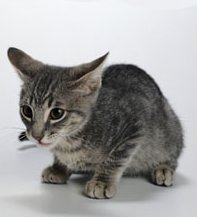
You've probably heard the phrase "hair-pulling moment" in reference to stressful situations, but did you know that cats sometimes compulsively pull out their fur when they feel anxious?
"Stress is a very big deal because it has a profound effect on all aspects of animals' experience," says Patricia B. McConnell, Ph.D., a certified applied animal behaviorist.
Stress can trigger feline reactions ranging in severity from hiding to self-mutilation. Just as humans often need support during tough times, our feline friends could use a "helping hand" when feeling anxious.
Is Stress Really That Serious?
When it comes to feline stress, a bit of it is actually a good thing. Predatory animals enjoy excitement, so your cat may relish the stimulation caused by a small amount of stress. But if stress increases dramatically, it can take a toll on your pet's health. "Chronic stress suppresses the immune response, causing a broad range of illnesses," explains McConnell. Washington State University's College of Veterinary Medicine, for example, notes a link between stress and pancreatitis, which is an inflammation of the pancreas that can cause abdominal pain and may lead to other health problems in your cat.
But health isn't the only aspect of your cat's life that can be affected by stress. Significant stress may also influence your cat's behavior. Cats often develop fear-related responses to regular things, like hiding under the bed and not coming out. A stressed cat may also become more aggressive than usual, making playtime physically painful. Some cats even stop eating completely, while others eliminate outside the litter box, spray around the house, groom excessively and become restless.
But Why Is Kitty Stressed?
Cats enjoy familiarity and routine; therefore, change is the biggest culprit of feline stress. A change in your cat's environment, whether it involves moving to a different home or bringing in a new housemate, can frighten your cat. Since social relationships are a defining part of your territorial cat's life, any sign of an "intruder" may make kitty feel threatened and anxious.
While stress is often caused by outside factors, physical discomfort can contribute much stress to your cat too. Feeling pain without knowing why can be a terrifying experience for your feline. It's important to consult your veterinarian in these situations.
How You Can Help Your Cat
If you suspect that stress-related discomfort is adversely affecting your cat's life, here's how to take action to relieve your pet's stress:
Spot the signs
Be observant of changes in your cat's behavior. Look for body language that exhibits stress. "Anxious cats get a big round-eyed look, with pupils dilated," says McConnell. Also, note ear position: confident cats' ears tilt up or are relaxed. If your cat's ears stand back and lie flat against its head, it is probably stressed and in an aggressive mood.
Pay the veterinarian a visit
Always take your pet to the doctor first, to rule out medical issues. "Often, stress is related to crystals and urinary tract infections," says McConnell. University of Edinburgh animal experts, for example, conducted an extensive study on cats and determined that stress may indeed trigger such problems in your cat's urinary tract. These conditions are usually treatable when diagnosed early.
Be patient during change
If kitty is having trouble adjusting to a new home, take things slow. "Cats in the wild take a long time to decide where to live and where to hunt," explains McConnell. "If your cat feels most comfortable under the bed for the first few weeks, it's OK -- take its food and water there."
Do not force interaction
Introduce new pets slowly. Let new human housemates play with your cat while frequently offering food treats. When your cat doesn't want to play, postpone the session. Never force cats to do anything.
Establish a routine
It's always helpful for animals to be able to anticipate things. Stick to a schedule for daily interaction. A few play sessions that your cat expects will help your pet regain control over its life.
Offer mental exercise
Who said that tricks are only for dogs? McConnell has trained her own cat to high-five, sit up and fetch. Her theory? Give them mental exercise often, and that will divert them from being worried.
Stress can make a sound difference not just in the life of the animal but also those it shares its home with. Everyone in your household will therefore benefit if you can take immediate steps to soothe your uneasy kitty. Understanding, care and attention will go a long way toward reducing your cat's excess stress.
AUTOS | HOBBIES | EDUCATION | FAMILY | FASHION | FOOD & RECIPES | HOME DECOR | RELATIONSHIPS | PARENTING | PETS | TRAVEL | WOMEN
PET STORIES and PET ARTICLES ...
- Is Your Dog Cut out for Field Trials?
- Should You Crate-train Your Puppy?
- How to Play Soccer With Your Dog
- The Best Way for Your Dog to Ride in the Car with You
- Good Dog Park Etiquette
- What Is Freestyle Dancing With Dogs?
- Canicross: An Easier Way to Run With Your Dog
- Reading Your Dog's Body Language
- Kitten Kindergarten
- Tips to Keep Your Dog Safe While Flying
- Keep Your Dog Warm in the Winter
- Scottish Deerhound: The Ideal Exercise Buddy
- Teach Your Dog to Fetch
- Is Your Dog Bored?
- 7 Ways to Pamper Your Cat
- The Best Games to Play With Your High-Energy Dog
- Dog Feeding Mishaps Corrected
- How to Succeed at Off-Leash Dog Play
- ID Your Relationship With Your Cat
- Photographing Your Elusive Feline
- How to Keep Your Pet Safe During the Holidays
- When Good Dogs Turn Bad
- From Finicky Fido to Chowhound Charlie
- Insure Your Kitty's Health
- Unconditional Love: My Cat Forgives Me Every Day
- From Feline to Family Member
- Is Water From a Christmas Tree Stand Harmful to Cats?
- A Day in the Life of a Sheepherding Dog
- Go on a Desert Retreat With Your Dog
- Dog Food Goes Natural and Holistic
- Determining a Food Allergy
- Exercise Gone to the Dogs
- Find the Right Sport for Your Dog
- Make Your Dog a Part of Your Wedding
- Hydrotherapy Helps Dogs Get in Shape
- How Your Cat Says 'I Love You'
- Lost Cats Found
- De-stress Veterinary Visits for Your Cat
- Keeping Cat Food Fresh
- Second-Hand Cat, First-Rate Pet
Copyright ©
Pets | The Daily Cat: Signs of a Stressed-out Cat