- MENU
- HOME
- SEARCH
- WORLD
- MAIN
- AFRICA
- ASIA
- BALKANS
- EUROPE
- LATIN AMERICA
- MIDDLE EAST
- United Kingdom
- United States
- Argentina
- Australia
- Austria
- Benelux
- Brazil
- Canada
- China
- France
- Germany
- Greece
- Hungary
- India
- Indonesia
- Ireland
- Israel
- Italy
- Japan
- Korea
- Mexico
- New Zealand
- Pakistan
- Philippines
- Poland
- Russia
- South Africa
- Spain
- Taiwan
- Turkey
- USA
- BUSINESS
- WEALTH
- STOCKS
- TECH
- HEALTH
- LIFESTYLE
- ENTERTAINMENT
- SPORTS
- RSS
- iHaveNet.com: Recipes
By Suresh Chari, M.D.
Pancreatic cancer is an aggressive disease that's difficult to detect early and challenging to treat, making it a leading cause of cancer death.
Currently, only about three out of 100 people diagnosed with pancreatic cancer survive five years after diagnosis. But research focusing on pancreatic cancer is increasing.
Researchers are investigating ways to more effectively screen for the disease and examining possibilities for better treatment options.
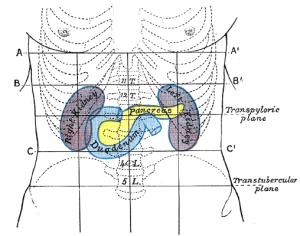
The pancreas lies horizontally at the back of your upper abdomen, behind your stomach, and near your spine.
It has two main jobs: secreting enzymes that aid digestion and producing hormones, including insulin, which regulate your body's blood sugar (glucose).
Cancer of the pancreas is relatively rare, and it typically affects people older than age 50.
Symptoms usually appear only after the cancer is already at an advanced stage, which is one of the main reasons the disease is often fatal.
Another factor that makes pancreatic cancer so deadly is its resistance to treatment.
At this time, the only possibility for long-term survival is surgically removing the cancer. But in 85 to 90 percent of people diagnosed with pancreatic cancer, surgery isn't an option because the cancer has spread too far. Among people who do have the cancer removed by surgery, it comes back 80 percent of the time. The other standard cancer treatment options -- chemotherapy and radiation therapy -- have only a marginal effect on pancreatic cancer.
One of the key strategies to improving outcomes in pancreatic cancer is to diagnose the cancer when it can still be removed by surgery.
Efforts at early diagnosis are hampered by the lack of a blood test to detect early cancer and lack of changes on noninvasive imaging studies, such as CT scans, when a patient doesn't have symptoms. Detecting small, asymptomatic cancers will likely require endoscopic ultrasound, an invasive procedure that's not widely available. It's also unclear who should undergo screening for pancreatic cancer.
Although the outlook is dim now, we are hopeful that research will uncover better ways to detect and treat pancreatic cancer.
For example, research at Mayo Clinic has found that the majority of pancreatic cancer patients have elevated blood sugar levels, and approximately half have diabetes. In most of those who have diabetes, their cancer was diagnosed within two years of the onset of diabetes. When the cancer is surgically removed, the diabetes typically improves or disappears.
Based on these findings, we believe that some cases of diabetes that begin later in life may be caused by pancreatic cancer.
In fact, research suggests that in people who develop diabetes for the first time after age 50, their risk for being diagnosed with pancreatic cancer within three years of the onset of diabetes is eight times more than that of the general population.
More studies are needed to find ways to differentiate between cancer-induced diabetes and the more common type 2 diabetes. If we can distinguish between them, we may be able to screen those at high-risk, possibly catching pancreatic cancer earlier.
Another way we're investigating early detection of pancreatic cancer involves people with a strong family history of the disease. Although these families are rare, if we can develop an early-detection model that works for them, we may be able to use that information to create a screening process for larger numbers of people.
There's also research examining why pancreatic cancer is such a fast-growing, aggressive disease that's so resistant to therapy.
Researchers are in the process of testing various drugs to try to slow progression of the disease.
Finally, many people with pancreatic cancer die not because of extensive disease, but because the cancer shuts down their appetite and makes muscle waste away.
This process, called cachexia, causes patients to become very weak, very quickly. Pancreatic cancer produces something that triggers cachexia. If we can find out what it is and block the effect, we could prolong survival.
An uncommon disease, pancreatic cancer traditionally hasn't received much attention.
But within the last five years, increased awareness of and interest in the disease has led to a rise in the amount of research focusing on pancreatic cancer.
With a variety of research strategies underway, we are hopeful that progress will soon be made against this deadly disease
Suresh Chari, M.D., Gastroenterology and Hepatology, Mayo Clinic, Rochester, Minnesota
Medical Edge from Mayo Clinic is an educational resource and doesn't replace regular medical care.
[ Also: Drinking Coffee May Be Good for You ]
AGING | ALTERNATIVE | AILMENTS | DRUGS | FITNESS | GENETICS | CHILDREN'S | MEN'S | WOMEN'S
Pancreatic Cancer is Difficult to Detect Early and Challenging to Treat
Article: Copyright © Tribune Content Agency