- MENU
- HOME
- SEARCH
- WORLD
- MAIN
- AFRICA
- ASIA
- BALKANS
- EUROPE
- LATIN AMERICA
- MIDDLE EAST
- United Kingdom
- United States
- Argentina
- Australia
- Austria
- Benelux
- Brazil
- Canada
- China
- France
- Germany
- Greece
- Hungary
- India
- Indonesia
- Ireland
- Israel
- Italy
- Japan
- Korea
- Mexico
- New Zealand
- Pakistan
- Philippines
- Poland
- Russia
- South Africa
- Spain
- Taiwan
- Turkey
- USA
- BUSINESS
- WEALTH
- STOCKS
- TECH
- HEALTH
- LIFESTYLE
- ENTERTAINMENT
- SPORTS
- RSS
- iHaveNet.com
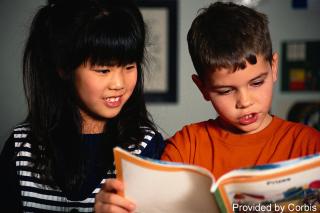
For sheer learning potential, the brain of a child surpasses any man-made super computer.
Researchers and child development experts agree there are a number of ways parents can help children make the most of their natural brainpower.
Mental and physical exercises, as well as brain-enhancing nutrition, can aid parents in nurturing their children’s natural abilities.
Parents should keep some important things in mind when choosing activities and foods to help build children’s brainpower.
Mental Exercises
Reading is a powerful, brain-boosting tool for children of all ages. In fact, the nonprofit literacy organization, Reading is Fundamental, cites reading aloud as “the best way to prepare children for learning to read and to keep them reading as they learn and grow.”
To promote reading as mental exercise, parents can:
Read to children early and often
According to research by the U.S. Department of Education, children who are read to frequently will be almost twice as likely to show advanced skills associated with emerging literacy than children who are not.
Help very young children recognize
that print is a form of spoken words by pointing to words and sentences as you read them.
As children learn to talk increase the interactive aspects of your reading
Talk to them about the story and help relate characters and events to their own lives.
Continue to read aloud with your children through grade school
As children begin to learn to read, share the reading aloud tasks with them by having them repeat a page after you’ve read it or alternate reading a page with them.
Physical Exercises
Playing equals learning for children. The connection between physical, emotional and mental health is well documented. With childhood obesity rates on the rise, it is more important than ever for parents to encourage children in all types of play, especially those that emphasize physical activity. To encourage physical exercise in children, you should remember:
Toddlers benefit from physical play that also teaches them how to safely and effectively interact with their environment
Simple games like “Red Light/Green Light” not only encourage movement, but also foster basic listening and direction-following skills.
Elementary school children and teenagers benefit from team play
Participation in organized sports promotes physical health and improves interpersonal skills.
Nutrition
Nutrition is directly linked to physical health and mental performance. Studies have shown that children with poor nutritional habits do not perform as well in school as their better-nourished peers. To promote good nutrition, parents should:
Lead by example
The best way to teach children good nutritional habits is to follow them yourself in your home.
Make sure children get the recommended daily allowance of brain-building “good fats” – like Omega 3 and DHA
Both are essential for proper brain development, especially in toddlers and pre-schoolers.
Follow the U.S. Department of Agriculture’s Recommended Dietary Allowance guidelines as much as possible.
Kids can be picky eaters so vitamin supplements can help parents ensure kids are consuming the nutrients they need
Help children get the brain-building nutrients they need by making nutrition flavorful and fun for even the most finicky eaters.