- MENU
- HOME
- SEARCH
- WORLD
- MAIN
- AFRICA
- ASIA
- BALKANS
- EUROPE
- LATIN AMERICA
- MIDDLE EAST
- United Kingdom
- United States
- Argentina
- Australia
- Austria
- Benelux
- Brazil
- Canada
- China
- France
- Germany
- Greece
- Hungary
- India
- Indonesia
- Ireland
- Israel
- Italy
- Japan
- Korea
- Mexico
- New Zealand
- Pakistan
- Philippines
- Poland
- Russia
- South Africa
- Spain
- Taiwan
- Turkey
- USA
- BUSINESS
- WEALTH
- STOCKS
- TECH
- HEALTH
- LIFESTYLE
- ENTERTAINMENT
- SPORTS
- RSS
- iHaveNet.com
Sean Conway
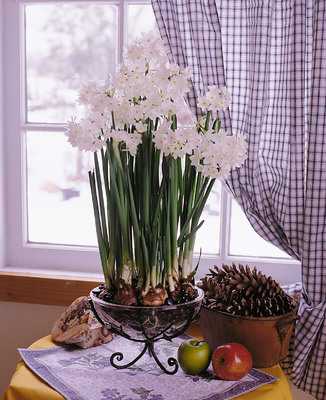
There is no denying it: winter will be here soon. Hard-core gardeners and real plant lovers know that the end of fall means it's time to start planning ahead. Now is a great time to plant bulbs.
Bulbs are an interesting adaptation in the plant world. Their growth cycle is such that most have a dormant period that allows them to withstand periods of drought or cold.
During the growing season, these plants store energy in the form of a modified, thickened stem called a bulb. Storing energy in the bulb allows the plant to wait out unfavorable growing conditions. Usually the plants form their bulbs underground, where temperatures are more stable and where the plant is protected from harshest conditions of winter.
With a little effort and some planning you can have bulbs blooming all winter long. There are dozens of spring blooming bulbs that can be coaxed into blooming indoors in mid-winter, when they will be appreciated most.
By far the easiest bulbs to force into flower are ones that don't require a period of chilling prior to blooming. Bulbs native to warm climates, such as the fragrant paperwhite narcissus, fall into this category.
Paperwhite bulbs can be grown in shallow bowls filled with marble chips, tumbled glass or small decorative stones. I use pea gravel right from my driveway. Several bulbs can be grown in the same container side by side. I usually put anywhere from four to six bulbs in each bowl, depending on the size of the container.
Place the bulbs flat side down and push into the gravel until the lower third of the bulb is covered. Add only enough water to keep the stones around the base of the bulb moist. Drainage holes are not necessary, but care must be taken not to allow the bulbs to sit in water or they will rot.
Place the bulbs in a cool location; 55 to 60 degrees is best, and out of direct sunlight. When the bulbs begin sprouting in about two weeks, move them to a location where they will get direct sunlight.
Growing in cooler temperatures will keep the stems sturdy and more compact. Growing in warmer temperatures will make the stems stretch, and they will require staking. Depending on the temperature, they will bloom anywhere from three to six weeks after planting
If you are up for a bigger challenge, try planting some non-tropical bulbs such as crocus, hyacinths, daffodils or tulips.
Start by potting up the bulbs in shallow pots. Use a potting mix that is freely draining. I usually add extra perlite or gravel to the mix. Bulbs do not like to grow in soil that stays wet.
Cool-climate bulbs will need to be kept at temperatures from 35 to 45 degrees for anywhere from 10 to 16 weeks while their roots form. The exact time depends on the type of bulb. A helpful chart of chilling times can be found at www.bulb.com.
For Southern gardeners, this can be accomplished in the refrigerator, but care must be taken not to store the bulbs with fruits or vegetables. The ethylene gas given off by produce can prevent them from blooming.
For Northern gardeners, the bulbs can be stored in an unheated garage or cold frame, provided they are kept above freezing. I place mine in a south-facing cold frame filled with straw.
After the cooling period is over, bring the pots into the warmth of the house and place them in bright light. When they begin to show growth, move them to a sunny window. A variety of different bulbs will extend your blooming season.