- MENU
- HOME
- SEARCH
- WORLD
- MAIN
- AFRICA
- ASIA
- BALKANS
- EUROPE
- LATIN AMERICA
- MIDDLE EAST
- United Kingdom
- United States
- Argentina
- Australia
- Austria
- Benelux
- Brazil
- Canada
- China
- France
- Germany
- Greece
- Hungary
- India
- Indonesia
- Ireland
- Israel
- Italy
- Japan
- Korea
- Mexico
- New Zealand
- Pakistan
- Philippines
- Poland
- Russia
- South Africa
- Spain
- Taiwan
- Turkey
- USA
- BUSINESS
- WEALTH
- STOCKS
- TECH
- HEALTH
- LIFESTYLE
- ENTERTAINMENT
- SPORTS
- RSS
- iHaveNet.com: Pets
by Steve Dale
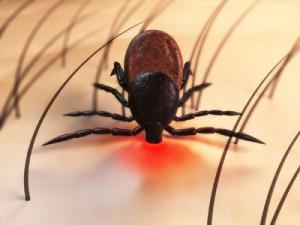
Here's a scary fact. No matter where you live in America, there are ticks. Ticks, and the diseases they transmit, are now in all 50 states. And experts concur that their numbers are rising.
Dr. Dwight Bowman, a veterinary parisitologist at Cornell University College of Veterinary Medicine, Ithaca, N.Y., says that a general increase in wildlife numbers -- including deer, wild turkey, raccoon and other animals -- intersecting with suburbia likely has the most impact.
"We once had manicured lawns with little habitat for ticks; we also sprayed our lawns with chemical pesticides," he notes. "Today, we have shrubs and gardens, which ticks like, and which can encourage the presence of wildlife. And we (no longer) use those pesticides. I'm not arguing against having gardens and encouraging streams in our yards with (attract animals). And I'm not endorsing use of those horrible pesticides. But all this is a price we pay -- and the result is ticks in our yards."
Though they can't live on concrete, ticks are lurking in the big city. Dogs who spend a weekend in woodsy upstate New York or Wisconsin, then return to New York City or Chicago, may come home with ticks. The ticks drop off in parks or city yards, where they lay their eggs, and the cycle begins.
That's not to mention the tick-friendly weather conditions (longer and wetter springs and/or falls, and warmer winters). As a result, the range of where various species of ticks occur has expanded in recent years.
All this should be enough to, if nothing else, scare owners into protecting their pets from ticks. In addition to the familiar Lyme disease, other insidious agents are transmitted to dogs by the blood-sucking relatives of the spider, including Rocky Mountain Spotted Fever, Hepatozoon, Babesiosis, Ehrlichiosis and Anaplasmosis. At least there's treatment for these nasty-sounding diseases. Cats are susceptible to one known tick-borne disease called cytauxzoonosis, which is fatal.
The good news is, protection is available. You can purchase various tick-control products through your veterinarian for dogs, plus one for cats (Frontline Plus).
For dogs at least, there's a vaccine for Lyme disease.
Depending on the prevalence of Lyme disease where you live and your dog's lifestyle, your vet may suggest the vaccine. Regardless, Bowman says all dogs should have tick protection because one tick may transmit several disease agents at once, in addition to Lyme.
"Your veterinarian can help you make the right choices for your dog," says Bowman, president elect of the Companion Animal Parasite Council. "For any cat that spends any time outdoors where cytauxzoonosis occurs, I can't imagine why you wouldn't give your cat protection."
The news gets worse.
Bowman believes ticks transmit diseases not yet identified by veterinary science. Under the best of circumstances, even if a tick is not transmitting disease, it's still secreting toxins which make some pets sick.
What's more, brown dog ticks like our homes. This species can actually drop off a pet, lay eggs inside homes, and very successfully continue their life cycles. It doesn't matter to them if they bite pets or put the bite on people.
"Tick protection is so important," says Bowman. "Listen, the protection against ticks isn't perfect and some products are more quick-kill than others. Ticks are tough. But to do nothing for your pet is asking for trouble. Or to use unapproved (over-the-counter) products that claim to be 'all natural,' or make some other (unsubstantiated) claims."
"You can play a role in your pet's protection," adds Dr. Susan Little, veterinary parisitologist, Department of Veterinary Pathobiology Center for Veterinary Health Sciences, Oklahoma State University College, Stillwater. "Clear brush in front of your home. Check your pet frequently for ticks; quick removal is best. And don't bathe your dog immediately after application of a (tick) product; wait at least two or three days."
Aside from tick numbers being on the rise, it seems they are lasting year-round in many places around the country where they once disappeared in winter. While ticks aren't a problem in January in North Dakota, they are hanging out year-round in Kansas, Oklahoma, Kentucky and many other states. That's one reason Little says the Companion Animal Parasite Council is now suggesting year-round control.
Learn more about tick disease and prevention at www.petsandparasites.org.
AUTOS | HOBBIES | EDUCATION | FAMILY | FASHION | FOOD & RECIPES | HOME DECOR | RELATIONSHIPS | PARENTING | PETS | TRAVEL | WOMEN
PET STORIES and PET ARTICLES ...
- Is Your Dog Cut out for Field Trials?
- Should You Crate-train Your Puppy?
- How to Play Soccer With Your Dog
- The Best Way for Your Dog to Ride in the Car with You
- Good Dog Park Etiquette
- What Is Freestyle Dancing With Dogs?
- Canicross: An Easier Way to Run With Your Dog
- Reading Your Dog's Body Language
- Kitten Kindergarten
- Tips to Keep Your Dog Safe While Flying
- Keep Your Dog Warm in the Winter
- Scottish Deerhound: The Ideal Exercise Buddy
- Teach Your Dog to Fetch
- Is Your Dog Bored?
- 7 Ways to Pamper Your Cat
- The Best Games to Play With Your High-Energy Dog
- Dog Feeding Mishaps Corrected
- How to Succeed at Off-Leash Dog Play
- ID Your Relationship With Your Cat
- Photographing Your Elusive Feline
- How to Keep Your Pet Safe During the Holidays
- When Good Dogs Turn Bad
- From Finicky Fido to Chowhound Charlie
- Insure Your Kitty's Health
- Unconditional Love: My Cat Forgives Me Every Day
- From Feline to Family Member
- Is Water From a Christmas Tree Stand Harmful to Cats?
- A Day in the Life of a Sheepherding Dog
- Go on a Desert Retreat With Your Dog
- Dog Food Goes Natural and Holistic
- Determining a Food Allergy
- Exercise Gone to the Dogs
- Find the Right Sport for Your Dog
- Make Your Dog a Part of Your Wedding
- Hydrotherapy Helps Dogs Get in Shape
- How Your Cat Says 'I Love You'
- Lost Cats Found
- De-stress Veterinary Visits for Your Cat
- Keeping Cat Food Fresh
- Second-Hand Cat, First-Rate Pet
Copyright ©
Pets | Tick Numbers Climbing, Even in Urban Areas