- MENU
- HOME
- SEARCH
- WORLD
- MAIN
- AFRICA
- ASIA
- BALKANS
- EUROPE
- LATIN AMERICA
- MIDDLE EAST
- United Kingdom
- United States
- Argentina
- Australia
- Austria
- Benelux
- Brazil
- Canada
- China
- France
- Germany
- Greece
- Hungary
- India
- Indonesia
- Ireland
- Israel
- Italy
- Japan
- Korea
- Mexico
- New Zealand
- Pakistan
- Philippines
- Poland
- Russia
- South Africa
- Spain
- Taiwan
- Turkey
- USA
- BUSINESS
- WEALTH
- STOCKS
- TECH
- HEALTH
- LIFESTYLE
- ENTERTAINMENT
- SPORTS
- RSS
- Personal Finance
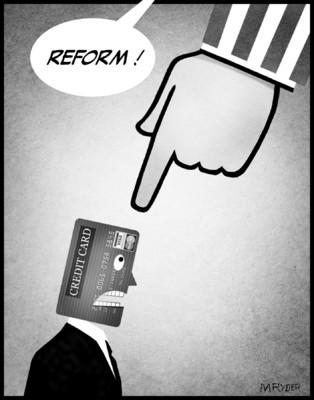
Parents expect their children to return home from their first year of college with a better grasp of the world and a perhaps a few new friends. Some, however, are arriving home with an unexpected burden -- credit card debt. Card issuers have long bombarded college students with solicitations via mail and enticed them to sign up for cards on campus by promising free food or other items in return for their signatures. The ease with which students could acquire cards has astounded some. "Students without income, assets, jobs, or credit reports have been issued credit cards virtually automatically," says Tim Mensing, student body president at the University of Washington. "Just being a student was good enough for them to issue a card."
That's no longer the case. The CARD Act of 2009 -- signed into law last May, with many provisions going into effect in 2010 -- will offer protections for college-age consumers who are coveted by card issuers. Anyone under 21 must either have a cosigner or be able to prove a means of repayment -- steady income, assets, or a sturdy credit rating -- in order to obtain a card. While card issuers are still allowed to solicit students on campus, they can no longer do so without informing regulators. The days of hungry students signing up for a credit card in exchange for free pizza are gone as well, as issuers are forbidden from offering giveaways or freebies to lure students into card agreements. And universities, which often enter into paid agreements that provide card issuers with students' contact information and allow them to market their cards on campus, must make those agreements public. "The disclosure rule came as a surprise to a lot of schools," says Peter Osborne, a consultant who has advised alumni associations on the matter. "There are many schools out there that have a great story to tell from the revenue that they've generated from these contracts and from advocating responsible behavior by the issuers."
The Federal Deposit Insurance Corp., which is tasked with monitoring card issuers to ensure their compliance with the new rules, is confident that the changes will lessen younger consumers' exposure to credit card debt and may ease many parents' worries. "[Credit card debt] puts the students at a disadvantage as they begin their working life," says Alice E. Beshara, chief of the FDIC's Chief Compliance Examination Section. "So, it's hopeful that this will prevent that from happening."
A decade ago, more than half of college students carried a credit card in their own name. The burgeoning popularity of debit cards has caused credit card use to slide, though a healthy portion of students still opt to carry one. According to a 2009 study done by the research group Student Monitor, 37 percent of college students at four-year institutions carry a credit card in their name. Of those, 47 percent acquired their card while in school, and 40 percent carried a balance month-to-month -- and average of $495 -- rather than paying the bill in full.
While less than half of college students carry credit cards, many are eager to see more stringent regulations put on issuers. A 2008 survey of more than 1,500 college students across the country performed by the U.S. Public Interest Research Groups, which lobbied heavily for the CARD Act, suggests that students are receptive to the new rules. Roughly 80 percent of the respondents indicated that they wanted to see some sort of controls placed on credit card marketing at their schools. Two thirds of the students opposed their schools sharing their contact information with card issuers as part of paid agreements. While the CARD Act has not outlawed these agreements, it has increased their transparency.
According to the survey, only 36 percent of students oppose the now banned free giveaways, hinting at their appeal. "It's essentially a seduction. The free gift gets you to the table -- you say, 'All I have to do is fill out this application and you're giving me food?' " says Ed Mierzwinski, director or PIRG's Consumer Program. "It's a really cheap marketing gimmick to get people to sign up for cards they're not ready for." While giveaways are now banned, the impact will likely be negligible. According to the Student Monitor study, only 2 percent of students with credit cards indicated that they acquired a card in exchange for a gift.
Card issuers say they plan to comply fully with the new law. Citigroup and Bank of America, the nation's two largest card issuers, both indicated in written statements to U.S. News that they are in full compliance with the new rules.
Neither would comment specifically on how their marketing efforts on campuses and to consumers under the age of 21 might change. Peter Garuccio, a spokesman for the American Bankers Association, a banking lobby group, says, "It's pretty clear that it will be tougher for people in this group to get credit cards. I think that you'll probably see a decline in the number of cards in this segment."
Though the PIRG study indicates that students are receptive to credit card reform, there are potential drawbacks. Credit cards are the simplest way for students to build strong credit before they're thrust into the real world. After college, a healthy credit score, typically over 700, can make it far simpler to obtain an apartment or financing for a car. While the new regulations make it easier for students to avoid debt in the near term, it will make it more difficult for them to take out a loan in the future. "The unintended effect of the CARD Act is that students will get limited access or no access to credit," says Larry Chiang, CEO of Duck9, a firm that offers a service to help students improve their credit scores. "The near-term effect is that it effectively shut down the issuance of credit to students."
Personal Finance - New Rules Protect Students from Credit Card Issuers