- MENU
- HOME
- SEARCH
- WORLD
- MAIN
- AFRICA
- ASIA
- BALKANS
- EUROPE
- LATIN AMERICA
- MIDDLE EAST
- United Kingdom
- United States
- Argentina
- Australia
- Austria
- Benelux
- Brazil
- Canada
- China
- France
- Germany
- Greece
- Hungary
- India
- Indonesia
- Ireland
- Israel
- Italy
- Japan
- Korea
- Mexico
- New Zealand
- Pakistan
- Philippines
- Poland
- Russia
- South Africa
- Spain
- Taiwan
- Turkey
- USA
- BUSINESS
- WEALTH
- STOCKS
- TECH
- HEALTH
- LIFESTYLE
- ENTERTAINMENT
- SPORTS
- RSS
- iHaveNet.com
by Senator John Kerry
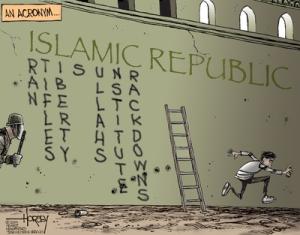
President Obama is right to open the door to direct engagement with Iran.
Negotiations-backed by escalating sanctions to show we mean business if talks fail are the only way short of war that we can persuade Iran to rein in its nuclear ambitions and begin building a more stable and secure Middle East.
Not talking to Iran failed miserably.
With the Bush administration wrapped in a cloak of empty rhetoric and refusal to engage, Iran crossed red line after red line in its nuclear program, producing enough low-enriched uranium to eventually develop a nuclear weapon if it chooses. At the same time, Iran's regional influence has expanded, and its radical anti-Israeli proxies Hamas and Hezbollah are more powerful, too.
Bullying is not a strategy.
The Obama administration has embarked on an approach rooted in the recognition that the deeply interconnected problems of the Middle East will be resolved by more talk, not less.
Engagement is not a reward for Iran's past actions; it is in our national interest. A better relationship offers the opportunity to explore mutual interests, like stability in Afghanistan, where we have worked constructively in the past. It provides the chance to solidify Iraq's security as our troops prepare to depart. And it represents the best option for averting a nuclear arms race in the Middle East.
Beyond those immediate goals, long-term security in the region will be improved by recognizing Iran's growing influence and transforming it from outlier to partner.
Iran must change its unacceptable behavior, but engagement provides incentives for it to stop undermining peace and play a more positive role.
We choose to engage Iran not out of weakness but from a position of strength.
Iran's economy is suffering not just from the decline of oil prices and the overall global economic downturn but from decades of corruption and neglect. Whoever is elected president of Iran on June 12, the first order of business will be to fix the domestic economy-a task that will be much harder if the international community ratchets up the sanctions regime.
The administration has already reached out to Iran.
President Obama recently offered a "new beginning" in a video appeal to the Iranian people, and Iran participated in last week's Afghanistan conference at the invitation of Secretary of State Hillary Clinton. Such overtures empower Iranian moderates and put hard-liners on the defensive: They can reject the overtures and risk further isolation both internationally and from their own people, or they can start down a path that could lead to real change.
So far, the response has been tepid, though President Mahmoud Ahmadinejad said Wednesday that Iran would welcome talks based on "honesty."
Direct talks will not be easy.
They will not erase half a century of mutual distrust. Radical elements within Iran will try to sabotage any progress, and there will be critics on our side, too. But if negotiations fail to achieve our goals, Iran will find itself isolated and our good-faith effort will solidify our standing with allies and friends for the tough measures that will follow.
We cannot succeed alone. We need to build a robust coalition to persuade Iran to moderate its behavior.
Russia will be a critical coalition member. The first steps toward bringing the Russians on board began last week in London when President Obama and President Dimitry Medvedev vowed a "fresh start" in relations and said they will cooperate on arms control and other issues. Russia, China, and many allies have strong economic ties with Iran. Persuading them to risk the repercussions of tough sanctions in the midst of a global economic crisis requires that we exercise leadership through multilateral diplomacy, not unilateral intimidation.
Multilateral negotiations will increase our influence.
But they are no substitute for our bilateral talks with Iran. The United States is the only country that can give the security assurances sought by our friends in the region-and by Iran. We have many common interests, but the ultimate success of engagement will depend on the U.S. ability to provide the mix of incentives and pressure to turn Iran away from its current track. We need to sit down with our allies and establish both realistic goals for curtailing Iran's nuclear ambitions and a set of escalating steps should Iran fail to respond. At the same time, we need to reassure Iran and its people that our days of advocating regime change are over and that we recognize its legitimate place at the table.
Make no mistake: Military action must be regarded as the last resort.
It would expose our troops in Iraq and Afghanistan to deadly reprisals from Iranian agents and proxies. It would destabilize the Middle East and encourage anti-Americanism throughout the world. It would continue to distract us from Afghanistan and Pakistan. And there is no guarantee that even sustained airstrikes would do more than delay Iran's nuclear program. We should not be deluded, as we were six years ago with Iraq, into thinking that military strikes would be welcomed by the Iranian people. On the contrary, an attack would drive a moderate, pro-American population into the waiting arms of the most anti-Western elements of the Iranian government and security apparatus.
The Middle East's security challenges are interrelated, which requires a comprehensive regional strategy. Progress in the Arab-Israeli conflict can reduce regional tensions and pay dividends in our engagement with Iran. A diplomatic breakthrough with Syria wouldn't sever its relationship with Iran, but it would undermine Hamas and Hezbollah and put Tehran on the defensive.
By engaging rather than bullying Iran, by listening rather than threatening, we have our best shot at averting the creation of a new nuclear power and at opening the door to lasting stability in the region. By exercising responsible global leadership rather than walking away from a threat to international security, we can reclaim the moral high ground and the strategic initiative