- MENU
- HOME
- SEARCH
- WORLD
- MAIN
- AFRICA
- ASIA
- BALKANS
- EUROPE
- LATIN AMERICA
- MIDDLE EAST
- United Kingdom
- United States
- Argentina
- Australia
- Austria
- Benelux
- Brazil
- Canada
- China
- France
- Germany
- Greece
- Hungary
- India
- Indonesia
- Ireland
- Israel
- Italy
- Japan
- Korea
- Mexico
- New Zealand
- Pakistan
- Philippines
- Poland
- Russia
- South Africa
- Spain
- Taiwan
- Turkey
- USA
- BUSINESS
- WEALTH
- STOCKS
- TECH
- HEALTH
- LIFESTYLE
- ENTERTAINMENT
- SPORTS
- RSS
- iHaveNet.com
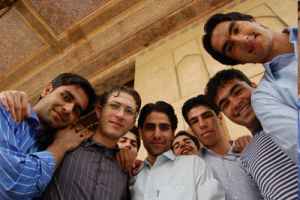
While in Iran producing a documentary for public television, I observed freedom-loving people patiently making do under a repressive regime.
It was clear to me that the people of Iran could ultimately win their freedom, but only if the struggle was organic and on their own terms.
Today, the relatively peaceful Iran I experienced is in turmoil.
Watching the tumult in the streets -- with pent-up anger and frustration directed not westward, but internally -- I revisit my observations.
Iran's "Islamic Revolution" government appeals to the Iranian people's deeply held values and a mistrust of the West. Walking the streets of Tehran, I saw a pride and dignity in the people. Iranians are smart and know what they want.
One middle-aged woman -- who clearly believed Western ways have turned America's youth into sex toys, drug addicts, and crass materialists -- walked across the street specifically to tell me, "We just don't want our children raised to be Britney Spears."
While many Iranians shared this sentiment, the younger generation seemed more open to the outside world. Well over half of Iran's 70 million people are under 30. Iranian twenty-somethings walk daily under hate-filled political murals painted before they were born. But while this propaganda has become white noise, the Internet gives young people a far more balanced view of the West. Based on the young Iranians I met, I imagine that today's demonstrators aspire to Western freedoms, but still within the framework of the Islamic Revolution.
We once again saw masses of fist-pumping Iranians chanting "Death to America," as clerics tried to re-focus the anger of the masses on a more convenient exterior threat. At other rallies, we've heard dueling chants of "Death to Ahmadinejad" and "Death to Mousavi." When I was in Iran, stuck in miserable Tehran traffic, my driver muttered, "Death to traffic." He explained, "Anytime something is out of our control and frustrates us, we say death to that."
I have to imagine that many Iranian voters are thinking "Death to election fraud."
A year ago, while the United States was in the throes of a dramatic presidential election, Iran's campaign was just heating up. Being in Iran then, I thought that if McCain won in the U.S., Ahmadinejad would win in Iran. Ahmadinejad's political base is made up of less-educated, small-town, fundamentalist Muslims who are concerned parents, motivated by the same things that motivate many American voters: fear of foreign influence and love of their family. If these people are your political base, you shore up their support with fear. Our politicians do, and so do Iran's.
President Obama's policy toward Iran has not been much different from Bush's or McCain's.
But his philosophy of respecting and listening to the Muslim world makes America tougher to demonize. The Iranian government desperately wants to blame the current unrest on the United States, but President Obama commands an international respect that makes those accusations ring hollow. As the U.S. gives the Iranian people less to fear, leaders who use fear against them for their own anti-democratic agenda will victimize them less.
I'll never forget the feeling I had at Tehran's Khomeini Airport as my trip to Iran came to an end. As we boarded our Air France plane back to the West, the Iranian women around me pulled off their headscarves, wine was poured and those on board breathed a collective sigh. Finally, we lifted off and flew from the Islamic Republic of Iran into free airspace.
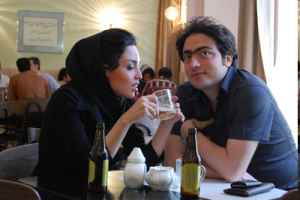
Iran's young people radicalized by the actions of their
own government (Rick Steves)
Iranians want to be free without leaving home
But I believe Iranians want to protect their culture even more than they want to gain their freedom. And today we are witnessing a country evolving on its own terms without Western influence as it strives to have both.
While we can abhor their non-democratic regime and wish to jump into the fray in the name of human rights and freedom, the best pragmatic thing we can do for the courageous people demonstrating on the streets of Iran is to hope and pray for them, and stay out of the way.
For Iranian democracy to grow and be viable, it needs to be organic ... and without American fertilizer
WORLD | AFRICA | ASIA | EUROPE | LATIN AMERICA | MIDDLE EAST | UNITED STATES | ECONOMICS | EDUCATION | ENVIRONMENT | FOREIGN POLICY | POLITICS
Iran: Death to Election Fraud