By Sean Conway
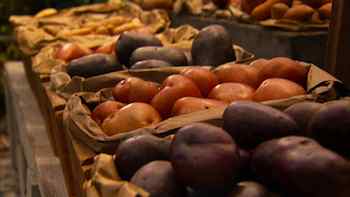
Potatoes come in more shapes, sizes and colors than most people realize, and most varieties are surprisingly easy to cultivate in a garden or planting box
The potato was once considered food for the lower class.
Today it is one of our most popular vegetables, and has been a mainstay in American diets since the turn of the last century.
Nonetheless, potatoes have taken a back seat in home gardens to vegetables such as tomatoes, zucchini, peppers, cucumbers and beans.
What most gardeners don't realize is that potatoes are one of the easiest vegetables to grow. They thrive in a variety of soils and can be grown as easily in small spaces and containers as in an open field. They also produce a high yield from each plant.
Although most people are only familiar only with the few varieties of potatoes they find in grocery stores, the tuber comes in dozens of types, each with unique attributes, including a wide range of color and textures. There are blue, red, purple, golden and orange potatoes, and all will grow well in gardens or containers.
On this week's episode of Cultivating Life, we celebrate the potato with food writer Sara Kate Gillingham-Ryan, from the food blog kitch, gave me a lesson on heirloom potatoes. The varieties she brought with her looked so interesting I decided to grow some of them in my garden.
One of the bonuses of growing potatoes is that you can eat them at various stages of growth. "New potatoes," which are simply young, smaller potatoes, are often found on roadside vegetable stands, long before the larger mature potatoes are harvested.
Early spring is the best time to plant potatoes. When ordering seed potatoes, be sure they are certified; this means they are free of insects or disease and have not been treated with the growth retardant used for storing commercial potatoes.
Potatoes will happily grow in average soil, so a great deal of preparation is not really needed. However, the addition of compost will improve yield. Avoid using fresh manure or lime in the soil when growing potatoes. Large amounts of either can increase the incidence of scab on the potatoes by raising or lowering soil ph too much. Till or spade the soil to a depth of ten or twelve inches prior to planting.
If the seed potatoes you buy are small in size, plant the whole potato. If they are large, cut them in half, or quarters. Each section should have two or three "growth eyes." After cutting, let the surface callus over before planting to a depth of 1 to 2 inches.
Potatoes can be grown in many different ways. Field growing is the most conventional. Seeds are planted 12 inches apart in rows that are 2 to 3 feet apart.
If space is an issue, potatoes can be grown in containers. Start by placing a 6 to 8 inches of soil on the bottom of the container. Plant the seed potatoes and water and place in full sun. Be sure to use a container with adequate drainage. After the potatoes have sprouted and are several inches tall add several inches more soil to the container around the base of the plants. Continue the process over several weeks until the soil level is at the top of the container. Increasing the soil around the stems of the plants will yield more tubers below the soil.
Potatoes can be harvested after the plants have flowered and the vines have died back. After digging potatoes they must be stored out of direct sunlight. A cool, dark place is best.
If you are planting a garden this spring, why not include a few potato plants? A bowl of your own purple mashed potatoes might just get you hooked on this versatile tuber.
© Sean Conway
AUTOS | HOBBIES | EDUCATION | FAMILY | FASHION | FOOD & RECIPES | HOME DECOR | RELATIONSHIPS | PARENTING | PETS | TRAVEL | WOMEN
Home & Garden - Growing Potatoes in the Garden Easier than You Think