- MENU
- HOME
- SEARCH
- WORLD
- MAIN
- AFRICA
- ASIA
- BALKANS
- EUROPE
- LATIN AMERICA
- MIDDLE EAST
- United Kingdom
- United States
- Argentina
- Australia
- Austria
- Benelux
- Brazil
- Canada
- China
- France
- Germany
- Greece
- Hungary
- India
- Indonesia
- Ireland
- Israel
- Italy
- Japan
- Korea
- Mexico
- New Zealand
- Pakistan
- Philippines
- Poland
- Russia
- South Africa
- Spain
- Taiwan
- Turkey
- USA
- BUSINESS
- WEALTH
- STOCKS
- TECH
- HEALTH
- LIFESTYLE
- ENTERTAINMENT
- SPORTS
- RSS
- iHaveNet.com: Health
Lilian Presti
Sneaky Tactics Won't Fool Your Kids Into Liking Broccoli
We've all heard of the kid who won't eat anything except chicken fingers and hot dogs--and maybe you recognize this child well because he or she is yours. Although most children aren't this extreme, many are still not eating as much healthy foods as their parents would like.
Parents' concerns about nutrition are not unjustified. Several studies examining the eating patterns of American children have concluded the same thing: Few kids are meeting the recommended servings for vegetables and fruits.
Even worse, a study published in the
When it comes to very young children, The Feeding Infants and Toddlers Study (FITS)--which provides data on the dietary patterns of 3022 infants and toddlers--found that 18 to 33 percent of infants and toddlers consumed no distinct servings of vegetables on a typical day.
So clearly, most parents are correct in observing a problem. But what can they do?
If parents want to inspire healthy eaters there are a few things that they should consider. Registered dietitian Julie Lichty Balay, who maintains practices in New York and New Jersey, believes the primary influence on children's eating patterns is their parents. Children learn to eat the way they eat by watching their parents, so "parents need to eat their vegetables, too."
Balay also cautions there's no need to sneak vegetables into foods to get kids to eat better. She says most kids know they are being tricked and this can work against the goal. Rather, she recommends introducing new vegetables regularly onto a child's plate and giving them an opportunity to try them without a lot of pressure--because pressure from parents can make children want to rebel.
The key is making the vegetables taste good by adding some flavorful fat or spices. "As long as you don't overdo it, some butter or a bit of cheese can really increase their enjoyment of these foods," Balay adds. When you think about it, most adults wouldn't want to eat their vegetables without a little flavor enhancement, either.
Another strategy is to rename the common vegetables on your dinner table, suggests Brian Wansink of
So turn cucumbers into Faster-Than-Light Flying Saucers and broccoli into Trees From the Enchanted Forest, and maybe your kids will pay attention. Incidentally, this is the same technique restaurants and advertisers use to get your attention--they come up with fancy ways to describe ordinary food to make it seem better.
You may also want to try keeping ready-to-eat fruits and vegetables handy for kids to grab when they want a snack--think pineapple chunks or pumpkin cubes. The key is making it just as easy for children to eat healthy foods as it is to eat unhealthy foods.
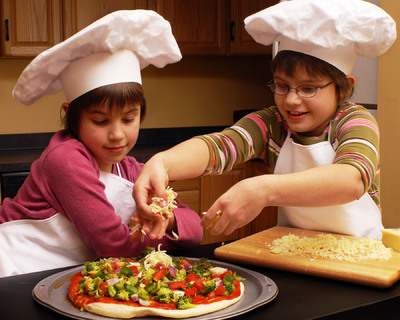
You may also want to consider involving your kids in menu planning and food preparation to encourage their interest. Oftentimes, kids want to help and are most interested in eating something they've helped to create. Even young kids can help with washing vegetables, snapping string beans into bite-sized pieces, or shelling peas.
Lastly, remember to keep trying.
Children will often say "No!" to things many times before they say "yes." So keep introducing vegetables without too much pressure, and more than likely, one day they'll decide to give them a try.
Lilian Presti is a Registered Nutritionist and a regular contributor to Naturally Savvy
© Harvard Health Letters
AGING | ALTERNATIVE | AILMENTS | DRUGS | FITNESS | GENETICS | CHILDREN'S | MEN'S | WOMEN'S
Getting Kids to Eat Their Vegetables