- MENU
- HOME
- SEARCH
- WORLD
- MAIN
- AFRICA
- ASIA
- BALKANS
- EUROPE
- LATIN AMERICA
- MIDDLE EAST
- United Kingdom
- United States
- Argentina
- Australia
- Austria
- Benelux
- Brazil
- Canada
- China
- France
- Germany
- Greece
- Hungary
- India
- Indonesia
- Ireland
- Israel
- Italy
- Japan
- Korea
- Mexico
- New Zealand
- Pakistan
- Philippines
- Poland
- Russia
- South Africa
- Spain
- Taiwan
- Turkey
- USA
- BUSINESS
- WEALTH
- STOCKS
- TECH
- HEALTH
- LIFESTYLE
- ENTERTAINMENT
- SPORTS
- RSS
- iHaveNet.com: Health
Sue Hubbard, M.D.
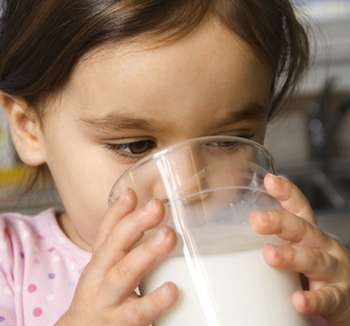
Though many parents think their kids get enough calcium and vitamin D from other dairy products (yogurt, cheeses, fortified juices), some daily milk is important
As I'm headed to the medicine cabinet to take my evening dose of calcium and vitamin D, I'm also multitasking and reading an article in Pediatrics regarding vitamin D levels in children.
Over the last several decades, there's been a lot of discussion in the adult literature about osteopenia and osteoporosis, as well as the prevention and treatment of these conditions. The latest studies involving vitamin D and calcium metabolism are now appearing in the pediatric literature as newer information about the long-term health effects of vitamin D continues to evolve. It's certainly a hot topic these days, with more studies to come.
The association between low levels of calcium and vitamin D has long been known as a cause of rickets. But rickets was thought to have been a bone disease of years ago until recent studies showed that there were indeed still children who were developing rickets.
An editorial in Pediatrics stated that the strongest evidence about the effects of vitamin D deficiency was related to the risk of developing rickets. Upon further evaluation, it was found that rickets could be prevented and treated by increasing the daily amount of vitamin D a child received. Subsequent recommendations were made that all children should receive 400 units of vitamin D daily. It was previously thought to be about half that much.
The current study in Pediatrics shows that only one in five children between the ages of one and 11 receive adequate daily vitamin D. In African-American and Hispanic children, as many as 80 to 90 percent may be vitamin D deficient. Not only is vitamin D important in bone metabolism and health, but other studies have also suggested vitamin D may play a role in preventing infectious diseases, diabetes, and even some types of cancer.
Some other pediatric studies have shown that teens with low vitamin D levels had higher blood pressure and cholesterol levels, and also had a greater tendency to be overweight. I'm sure there will be continued investigational studies into all of the above.
How does all of this fit together? As a child's diet changes and they no longer receive formula, their daily milk intake may be reduced and in turn their calcium and vitamin D intake is inadequate. In my personal experience and practice, I find many children don't "like" milk and are allowed to choose other beverages, such as water, juice, or even soft drinks.
Although many parents think their children are getting their dietary calcium and vitamin D from other dairy products (yogurt, cheeses, fortified juices), it's difficult to do without some daily milk intake. Even two glasses a day needs to be supplemented by other dairy products.
Additionally, vitamin D is made after our skin is exposed to sunlight. Due to the recommendations for routine sunscreen use in children and adults, we may not make as much vitamin D from sun exposure. It's also known that dark-skinned children, especially in more northern latitudes, are more likely to be vitamin D deficient. At the same time, children don't play outside as often as in past decades, and this too may contribute to obesity and lower vitamin D levels. All of these variables need further study and may be somehow intertwined.
While the data continues to be accumulated and additional studies determine age-appropriate blood levels of vitamin D, one thing is for sure: Daily milk intake and dairy intake is vital to growing children for a multitude of reasons. It's far easier to remember to pour your child, tween, or teen a glass of milk than to remind them to take a vitamin or two every day. I can barely remember to take my own!
Dr. Sue Hubbard is a nationally known pediatrician and co-host of "The Kid's Doctor" radio show.
Available at Amazon.com:

Copyright © KIDSDR.COM DISTRIBUTED BY TRIBUNE MEDIA SERVICES, INC.
AGING | ALTERNATIVE | AILMENTS | DRUGS | FITNESS | GENETICS | CHILDREN'S | MEN'S | WOMEN'S
Health - Why Vitamin D Is Important For Your Kids