- MENU
- HOME
- SEARCH
- WORLD
- MAIN
- AFRICA
- ASIA
- BALKANS
- EUROPE
- LATIN AMERICA
- MIDDLE EAST
- United Kingdom
- United States
- Argentina
- Australia
- Austria
- Benelux
- Brazil
- Canada
- China
- France
- Germany
- Greece
- Hungary
- India
- Indonesia
- Ireland
- Israel
- Italy
- Japan
- Korea
- Mexico
- New Zealand
- Pakistan
- Philippines
- Poland
- Russia
- South Africa
- Spain
- Taiwan
- Turkey
- USA
- BUSINESS
- WEALTH
- STOCKS
- TECH
- HEALTH
- LIFESTYLE
- ENTERTAINMENT
- SPORTS
- RSS
- iHaveNet.com
Kent Garber
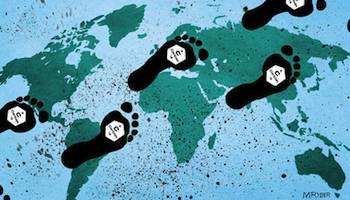
Officials from more than 190 countries have gathered in
1. Developed Nations Vs. Developing Nations
Pretty much all the countries attending the talks agree that greenhouse gas emissions are contributing to climate change. But few want to slash their emissions without first ensuring that competing countries will do the same. Developing countries want
2. Targets for Cutting Emissions
In
3. Assistance to Poor Countries
Many of the countries that will be hardest hit by climate change are poor. Some are island nations. Some are prone to drought. Others have big coastlines and are already seeing the impact of changing ocean chemistry and rising sea levels. To respond to climate change, they say, they'll need Western help. A lot of it. And that means money. But it's unclear right now just how much rich countries will be willing to give poor countries (especially when government treasuries aren't doing so well) in terms of cash and new technology.
4. Carbon Trading
There's a general agreement -- internationally, anyway -- that the best way to tackle emissions is by putting a price on carbon. That means a future involving a busy, lucrative global carbon market, in which people buy and sell permits to emit carbon. These global markets, not surprisingly, are complicated, and there are a lot of tough issues to be worked out when it comes to making sure that markets are honest and transparent. No one wants a repeat of the current financial crisis. But many countries also don't want an international regulatory body telling them how to run their economy.
5. Pollution Offsets
One way for countries to cut emissions is to switch to cleaner forms of energy or to make their power plants more energy efficient. But there are other options. For example, a power company, rather than trimming its own emissions on site, might find it cheaper to pay a forest owner to plant a bunch of carbon-trapping trees. In other words, the power company is "offsetting" its pollution by paying someone else. As part of the