- MENU
- HOME
- SEARCH
- WORLD
- MAIN
- AFRICA
- ASIA
- BALKANS
- EUROPE
- LATIN AMERICA
- MIDDLE EAST
- United Kingdom
- United States
- Argentina
- Australia
- Austria
- Benelux
- Brazil
- Canada
- China
- France
- Germany
- Greece
- Hungary
- India
- Indonesia
- Ireland
- Israel
- Italy
- Japan
- Korea
- Mexico
- New Zealand
- Pakistan
- Philippines
- Poland
- Russia
- South Africa
- Spain
- Taiwan
- Turkey
- USA
- BUSINESS
- WEALTH
- STOCKS
- TECH
- HEALTH
- LIFESTYLE
- ENTERTAINMENT
- SPORTS
- RSS
- iHaveNet.com
By Katherine Hobson
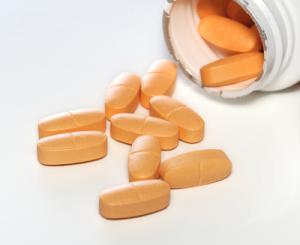
Few things in medicine get simpler the more you investigate them, and the use of vitamins, minerals, and herbal and botanical supplements to prevent or treat cancer is no exception.
Recent clinical trials, for example, suggest that supplements of single nutrients like vitamins B, C, and E and the mineral selenium do not, as once thought, prevent chronic or age-related diseases including prostate and other kinds of cancer.
Some substances, like green tea and ginger, seem to have potential in preventing or helping to treat cancer, but they may also actually interfere with treatment or have other serious side effects.
Meantime, countless substances that kill or slow the growth of cancer cells in a test tube have not shown that same success in human beings.
What's going on?
As it turns out, the question of whether -- and in what form -- nutrients can be extracted from food or plants and used to fight cancer is quite complex. Researchers in this young field are probing the connections and contradictions but have not yet found answers to the question of what vitamins, herbs, or botanicals may help prevent, treat, or ameliorate symptoms of cancer.
Here are a few reasons -- plus guidance on what to do in the face of incomplete information
It's hard to know what to study
You'd think it would be easy to test whether, say, something as straightforward as vitamin E has a role in cancer prevention. But the difficulties begin at once: Which form do you use? Should a study use supplements of alpha-tocopherol, the form most easily absorbed by humans? Or a mixture of the vitamin's eight forms? It gets even more difficult to identify the best component -- or components -- to study in herbals and botanicals, which contain many different compounds.
And if you want to study supplements together for cancer prevention, what might work best with what? "Unless we have a very clear idea of the pathways and mechanisms that cancer is using, it's hard to have a very strong, rational basis for choosing combinations" of antioxidants or other nutrients, says Peter Gann, director of pathology research at the University of Illinois in Chicago. The problem exists in treatment, too. With so many chemotherapy regimens and so many herbs or botanicals that might theoretically aid their action, what combinations should be studied?
Clinical trials in humans often turn up results different from what happens in the lab
Curcumin (derived from the spice turmeric), quercetin (a kind of plant pigment), and a host of other food-derived chemicals, vitamins, and herbal products have been shown to kill or slow the growth of cancer cells in a lab.
Whether these positive results translate to human beings is an entirely different question -- as with drugs, many things that are promising in a test tube or in animals fail miserably when studied in the complexity of a human being.
In addition, those human studies are particularly tough to fund and pull off.
Supplement makers rarely have an incentive to support research, since it's already legal for their products to be on the shelves. That same availability also means that people assigned to the no-supplement control group may opt to take the supplement under study on their own, contaminating the results. Work is being done, but drawing conclusions will take time. "It's very important that people understand there's research going on but that not all the answers are in," says David Rosenthal, medical director of the Zakim Center for Integrative Therapies at Dana-Farber Cancer Center in Boston.
Your supplements may vary
The pills and capsules you pick up off the shelf of a health-food store can vary enormously in quality and dose. About 25 percent of supplements tested fail when evaluated by whether they contain the claimed amount of a key ingredient, can be readily absorbed by the body, and are free of harmful contaminants, says Tod Cooperman, president of ConsumerLab.com, an independent lab that tests supplements. When his lab tested five green tea products, for example, two failed. (One brand contained as much caffeine as two cans of cola despite saying otherwise, and it had half the active ingredients it claimed.)
Moreover, the botanical -- and then how it acts in the body -- can vary depending on where it's grown, how much sunlight it receives, the soil, and other factors, says Jeffrey White, director of the National Cancer Institute's Office of Complementary and Alternative Medicine. That can make botanicals tough to standardize, which is essential in order to study and take advantage of their effects.
Effects are complicated and change depending on the circumstances
A rose is a rose is a rose, but that doesn't hold for antioxidants. Beta carotene in the diet, for example, is associated with a lower risk of lung cancer. But when studied as a supplement, it actually increasedthe incidence of the disease among smokers. The thought is that under certain circumstances, its action changes, and it has damaging effects. "A single nutrient can shift from Jekyll to Hyde," says Keith Block, cofounder and medical director of the Block Center for Integrative Cancer Care in Chicago.
No wonder the role of antioxidants during cancer treatment is controversial; on one hand, they may protect the healthy cells from the harsh effects and damage of chemotherapy and radiation. On the other, they may protect the cancer cells as well, rendering treatment less effective. Without large trials to provide answers, most oncologists recommend that patients lay off the antioxidant supplements during treatment. But Block says harmful effects were limited to smokers, and he believes the available evidence supports the use of antioxidants in nonsmoking patients undergoing chemotherapy and, probably, radiation as well. By reducing the toxic side effects of treatment, he says, antioxidants can help patients complete their full regimens, which has been linked to lower mortality. (He says the risk-benefit ratio better supports the use of antioxidants in patients with metastatic disease; he'd be more likely to hold off until the question is settled among patients for whom cancer treatment is likely to offer a cure.)
Specific supplements may interact with specific anticancer drugs; scientists said earlier this year that in mice, an ingredient in green tea extract blocked the effects of Velcade, used to treat multiple myeloma. Green tea, however, has been associated with lower rates of cancer while taken in tea form, and some research suggests that its active ingredients, taken as a supplement, can slow the progression of prostate cancer. Like other compounds, it's probably helpful in some contexts and harmful in others.
There's not a silver bullet
It is not likely that one isolated nutrient is going to have a large effect in preventing cancer, say many researchers. "I personally think we will find that individual supplements are not the answer," says Kara Kelly, medical director of the Integrative Therapies Program for Children With Cancer at Children's Hospital of NewYork-Presbyterian. To her, that suggests focusing far more on diet (more on that later). As far as supplements go, many experts say there's a movement toward products that more closely mimic whole foods, delivering nutrients together in a state more similar to, say, how you'd get them if you ate a piece of fruit. But no supplement is likely to make a big difference if accompanied by a poor diet, lack of exercise, smoking, or other harmful factors. "If I live on burgers and fries, loading my body not only with fats but with the wrong fats, one fish oil capsule isn't going to do the trick," says Block.
So what's a person concerned about cancer prevention -- or who is fighting the disease -- to do?
Research
Two good databases of information on specific supplements are produced by the American Cancer Society and Memorial Sloan-Kettering Cancer Center . Both outline the evidence for the role of herbals, botanicals, and vitamin/mineral supplements in preventing and treating cancer, plus any possible risks and drug interactions. ConsumerLab.com, which requires an annual subscription, also has that information, in addition to guidance on specific brands.
Fully disclose to your doctor
Because there's the potential for side effects and drug interactions with so many supplements, from ginger to St.-John's-wort, it's imperative that people being treated for cancer tell their physicians what they're taking. That doesn't mean you will be greeted by a lecture; you may find your doctor recommends or OKs certain supplements. Lorenzo Cohen, director of the integrative medicine program at M.D. Anderson Cancer Center in Houston, says that while he tends to err on the side of caution, he's not going to tell people to avoid anything for which there's no evidence of harm.
Even if you aren't a cancer patient, you should tell your healthcare provider about any supplements you're taking. And recognize that more is not necessarily better when it comes to using vitamins and minerals for disease prevention. "We don't know whether going above the baseline helps," says Cohen.
Realize that what's good for someone else may not be good for you
It's important to know that supplements can reduce the effectiveness of certain treatments or make them more toxic -- and that what worked for your friend with breast cancer may not work for you.
Block does recommend supplements for his patients but tailors them to their circumstances. Those may include the type of cancer -- whether a breast cancer is estrogen receptor positive or negative, for example -- treatment regimen, specific symptoms, and other conditions in the body.
Other doctors say they'll also recommend certain supplements, namely omega-3 fatty acids, calcium, and vitamin D, but their advice, too, will ultimately be individualized.
Eat a balanced, healthful diet
While the role of diet in cancer prevention or in preventing recurrence isn't clear, there's no downside to following the eating patterns (including the Mediterranean diet) associated with better health outcomes and lower body weight. That means eating lots of fruits and vegetables, fish, legumes, and whole grains and avoiding heavily processed, nutritionally empty foods. "Many of the things we take in supplements are found in food," says Donald Abrams, director of the integrative oncology research program at the University of California-San Francisco. And the naturally occurring levels of those nutrients are not likely to be harmful.
WORLD | AFRICA | ASIA | EUROPE | LATIN AMERICA | MIDDLE EAST | UNITED STATES | ECONOMICS | EDUCATION | ENVIRONMENT | FOREIGN POLICY | POLITICS
Cancer and Supplements: What Vitamins, Herbs, and Botanicals Can (and Can't) Do